HOMZ 2-Pack Utility Tub, Large Plastic Storage Buc...
$44.99 (as of January 20, 2026 07:01 GMT -05:00 - More infoProduct prices and availability are accurate as of the date/time indicated and are subject to change. Any price and availability information displayed on [relevant Amazon Site(s), as applicable] at the time of purchase will apply to the purchase of this product.)Introduction
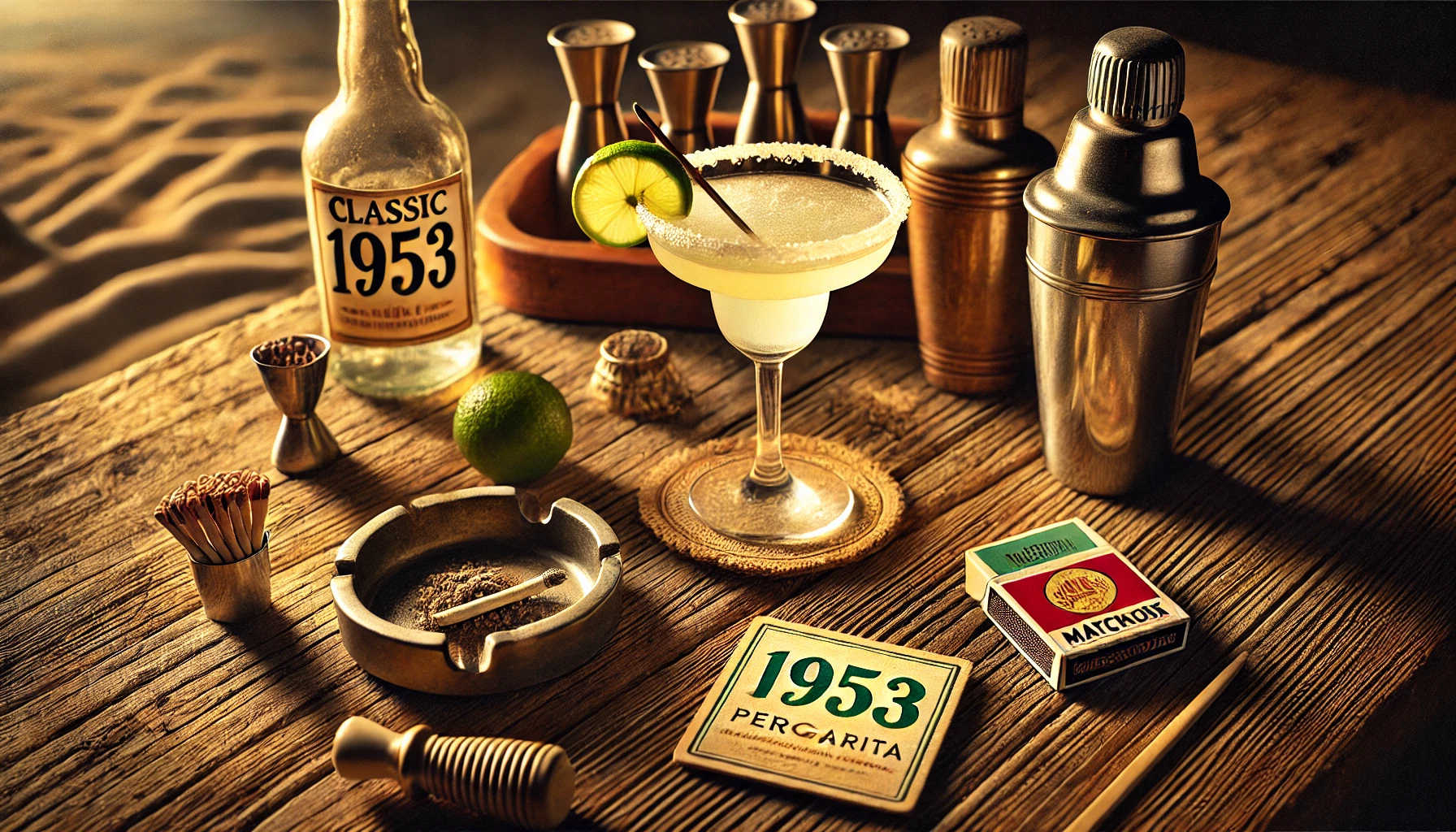
The margarita is one of the world’s most beloved cocktails. A refreshing blend of tequila, lime, and orange liqueur, it balances sweet, sour, salty, and sometimes spicy flavors. For many, the margarita embodies the spirit of celebration and relaxation, often associated with warm-weather getaways and festive gatherings. But where did this iconic cocktail come from, and how did it make its way into the limelight? The December 1953 Esquire Magazine Cocktail of the Month.
The margarita’s origins are wrapped in mystery and legend, with several stories competing for the ‘true’ origin. One undeniable milestone in its history was its first publication in a widely read magazine. That publication came in the December 1953 issue of Esquire magazine, marking a significant moment in the margarita’s journey from a regional favorite to a national sensation. In this blog post, we take a deep dive into this pivotal moment, examining the article, the cultural context of its publication, and its lasting impact on the cocktail world.
Setting the Scene: 1953 America and Cocktail Culture
To appreciate the margarita’s first published recipe, understanding 1950s American cocktail culture is essential. Classic cocktails like the Old Fashioned, Martini, and Manhattan surged in popularity, dominating high-end bars and social events. Tiki culture was also on the rise, with fruity, rum-based drinks like the Mai Tai and the Zombie gaining popularity. The post-war cocktail scene embraced exotic flavors and vibrant presentations. This environment set the stage for the margarita to captivate sophisticated drinkers. This was a time when cocktails were synonymous with sophistication and glamour. After World War II, home entertaining surged in America. Cocktails became the centerpiece of any good party.
Magazines like Esquire played a crucial role in shaping the tastes and preferences of the American public. Esquire was particularly influential, known for its “Cocktail of the Month” feature, which showcased various drinks that its readership could try at home. This feature wasn’t just about providing recipes; it was about crafting a lifestyle—one of elegance, leisure, and modernity. By featuring a cocktail, Esquire gave it a stamp of approval, turning it from a mere drink into a cultural phenomenon.
The Esquire December 1953 Issue: Cocktail of the Month
In December 1953, Esquire chose to feature the margarita as its “Cocktail of the Month.” Cocktail historians point to Esquire’s 1953 margarita recipe as a pivotal moment in cocktail culture. The feature spanned pages 76 and 78, placed among holiday ads and men’s fashion articles. It cemented the drink’s place in the zeitgeist. Esquire’s 1953 margarita recipe was a game-changer for cocktail culture.
The article began by introducing the margarita cocktail with a playful nod to its exotic roots. By highlighting the margarita as a sophisticated option, Esquire’s 1953 margarita recipe set the stage for its enduring popularity. It was presented as a chic and sophisticated option, perfect for holiday gatherings or any festive occasion. The margarita was not yet the ubiquitous cocktail it is today, but by featuring it in their popular section, Esquire helped propel it into the national consciousness.
Impact of the Esquire Publication on Margarita Popularity
The publication of this margarita recipe in Esquire had a significant impact on the cocktail’s popularity. Most Americans were unfamiliar with tequila at the time. This article introduced them to an exciting new spirit. Tequilas weren’t really introduced into the bartending books until William J Tarling’s 1937 book, Cafe Royal Book, and even then rarely seen until the 1960’s. The margarita gained popularity in warm states like California and Texas. Its bright citrus flavors and icy presentation offered a refreshing escape from the heat. The tartness of lime, balanced by the sweetness of orange liqueur and the distinct bite of tequila, mirrored the vibrant and sun-drenched culture of these regions. The drink seemed tailor-made for poolside parties, beach gatherings, and outdoor celebrations, perfectly aligning with the laid-back, festive spirit of California and Texas.
Esquire, one of the leading men’s magazines at the time, helped elevate the margarita from a regional favorite to a nationwide trend by featuring it. The magazine’s readers, primarily middle-to-upper-class men, prided themselves on following trends. They began ordering margaritas at bars and making them at home. This exposure led to a ripple effect, as bartenders across the country started to take notice of the increasing demand for this tequila-based cocktail.
Quotes from the article illustrate the tone and style of the feature, which was both casual and authoritative. It made the margarita seem like the ideal drink for anyone looking to add a touch of the exotic to their holiday gatherings. This sense of sophistication mixed with a bit of adventure likely appealed to Esquire’s readers, further driving the cocktail’s popularity.
Historical Context: Why Was the Margarita Chosen?
Why did Esquire choose the margarita as the “Cocktail of the Month” in December 1953? There are several potential reasons, all of which are rooted in the cultural and social climate of the time. First, the early 1950s saw an increased interest in all things Mexican. This was partly due to post-war economic and cultural exchanges, as well as Hollywood’s fascination with the exotic allure of Mexico, often depicted in films and music.
Tequila became more available in the U.S. due to improved trade relations and the rising popularity of Mexican cuisine in American restaurants. As Americans became more adventurous in their culinary and drinking habits, cocktails that featured foreign ingredients like tequila started to gain traction.
It’s also worth considering the margarita’s simple yet bold flavor profile. At a time when many cocktails were quite sweet, the margarita offered a refreshing alternative with its sharp citrus notes and distinctive salty rim. This made it an appealing choice for Esquire’s sophisticated audience, who were always on the lookout for something new and different.
Analyzing the Margarita Recipe in Esquire
The margarita recipe featured in Esquire was straightforward, consisting of just three key ingredients: tequila, triple sec, and lime or lemon juice. The instructions read:
1 ounce of tequila
Dash of Triple Sec
Juice of half a lime or lemon
The magazine’s instructions were simple: “Pour over crushed ice, stir. Rub the rim of a stem glass with the rind of lemon or lime, dip into salt… and sip.” In contrast to the intricate, multi-ingredient cocktails popular at the time, the margarita’s simplicity stood out. The simple yet effective margarita recipe from Esquire’s 1953 issue remains a cornerstone of classic cocktails. While many classic drinks required elaborate preparation and rare ingredients, the margarita offered an approachable yet elegant option that anyone could craft at home with minimal effort. This recipe is remarkably close to what we consider a classic margarita today, though it is notably lighter on the orange liqueur.
This early recipe captured the essence of what makes a margarita great: a balance of tart lime, the sweet orange undertones of Cointreau, and the distinctive bite of tequila. The use of a salted rim was also highlighted, emphasizing how it enhances the flavors by contrasting the tartness of the lime and the bite of the tequila.
The Legacy of Esquire’s Margarita Recipe
The legacy of Esquire’s 1953 margarita recipe cannot be understated. By featuring the margarita in its widely read “Cocktail of the Month” section, Esquire played a pivotal role in popularizing the drink across the United States. From the mid-1950s onwards, the margarita began appearing more frequently on bar menus and in cocktail books, cementing its status as a staple of American cocktail culture.
The margarita’s appeal has only grown since its first publication. Today, it’s not only one of the most popular cocktails in the U.S. but also worldwide. (But not in Italy apparently!) The simplicity of the original recipe has allowed for countless variations, from frozen margaritas to fruit-flavored versions, spicy renditions, and even more exotic concoctions featuring ingredients like hibiscus, jalapeños, and mezcal.
Yet, despite all these variations, the core of the margarita remains the same. It is a cocktail that celebrates bold, simple flavors, just as the 1953 recipe did. The recipe’s publication in Esquire marked the beginning of the margarita’s journey to becoming a beloved global icon, and it continues to inspire new generations of cocktail enthusiasts and mixologists.
Conclusion
The December 1953 issue of Esquire magazine marks a crucial point in the history of the margarita. Without Esquire’s 1953 margarita recipe, the drink may never have achieved its iconic status. As the first known publication of a margarita recipe, it introduced this now-iconic cocktail to a broad American audience and played a significant role in shaping the nation’s cocktail culture.
Exploring the cultural context, recipe details, and overall impact highlights why this moment shaped margarita history. Why not try recreating the Esquire 1953 margarita recipe and experience a taste of the cocktail that started it all? Share your results or favorite margarita twists in the comments—we’d love to hear your take on this timeless cocktail. Whether you’re a fan of the classic version or enjoy experimenting with the many variations that have emerged since, there’s no denying the importance of this recipe in the cocktail’s journey from a regional specialty to a worldwide favorite.
So next time you mix up a margarita, remember its storied past and raise a glass to the pioneers of Esquire who helped bring this delightful cocktail into the limelight.
¡Salud!