Home Blog Page 8

The Role of Orange Liqueur in a Classic Margarita
0
The Role of Orange Liqueur in a Classic Margarita
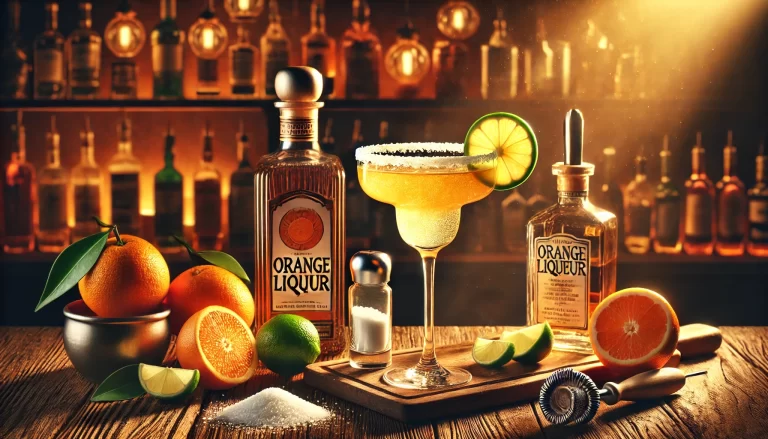
A classic margarita in a salt-rimmed glass with a lime wedge garnish, surrounded by a bottle of orange liqueur, fresh oranges (sliced and whole), a citrus zester, and margarita-making essentials like coarse salt and a cocktail shaker. Set on a polished wooden bar with warm lighting.

A Classic Margarita is one of the most popular cocktails around the world, and it’s no surprise that it contains a key ingredient: orange liqueur. This unique spirit contributes a depth of flavor to the margarita that simply can’t be replicated. Lets delve into the role of orange liqueur and it’s importance in the classic margarita, as well as demonstrate how it can be used to craft the perfect margarita every time.

The Role of Orange Liqueur in the Recipe

The classic margarita is a timeless cocktail loved by many around the world. It’s the perfect blend of tangy and refreshing, with just the right balance of sweet and sour flavors. But what sets this cocktail apart from others is the key ingredient that adds a unique depth of flavor – orange liqueur.

Orange liqueur plays a crucial role in the margarita recipe, bringing a delightful citrusy essence that complements the tequila and lime perfectly. It adds a touch of sweetness and enhances the overall flavor profile, taking the margarita to a whole new level.

One of the primary reasons orange liqueur is essential in a margarita is its ability to balance out the acidity of the lime juice. Lime juice can sometimes be overpowering, and the addition of orange liqueur helps to mellow out the tartness, resulting in a well-rounded and harmonious cocktail.

Furthermore, orange liqueur contributes to the complexity of the margarita. Its vibrant orange flavors add layers of depth and complexity to the drink, making it more interesting and enjoyable. Without it, the margarita would be lacking that extra something that makes it truly special.
When it comes to orange liqueur options for your margarita, there are a few common types that are often used. Triple sec, Cointreau, and Grand Marnier are among the most popular choices. Each has its own unique characteristics, with varying levels of sweetness and intensity of orange flavor. Experimenting with different orange liqueurs can lead to exciting and unexpected variations of the classic margarita.
Choosing the right orange liqueur for your margarita is essential. Consider your personal taste preferences – do you prefer a sweeter margarita or a more citrus-forward one? Think about the specific flavors you want to highlight in your cocktail.

Common Types of Orange Liqueur Used

When it comes to choosing the right orange liqueur for your classic margarita, there are a few common types that are often used. Each type has its own unique characteristics, adding a different flavor profile to your cocktail. These orange liqueurs are often mistakenly used interchangeably. Let’s take a closer look at some of the most popular orange liqueurs used in margaritas.

Triple Sec

Triple sec, a widely available orange liqueur, frequently features in margarita recipes. It possesses a strong orange flavor and a clear, sweet composition. Typically, producers craft triple sec using neutral spirits, sugar for sweetness, and orange peel for flavoring. It contributes a pleasing sweetness to the margarita, harmonizing with other flavors without dominating them. Opt for triple sec if you desire a sweeter margarita.

Cointreau

Cointreau, a premium orange liqueur, is renowned for its high quality and distinct flavor. It derives its complexity and intensity from a blend of sweet and bitter orange peels, distinguishing it from triple sec. Cointreau, deemed a top-shelf option, boasts a slightly higher alcohol content than triple sec. It infuses the margarita with a bright and citrus-forward flavor, ideal for those favoring a livelier and tangier cocktail.

Grand Marnier

A luxurious orange liqueur that imparts elegance to any margarita. Producers craft it from a blend of cognac and bitter orange liqueur, yielding a rich and sophisticated flavor profile. Grand Marnier boasts smoothness and complexity, offering hints of orange and oak. It infuses the margarita with depth and character, an ideal choice for those seeking an elevated cocktail experience.

While other options are available, bartenders commonly use these types of orange liqueur in margaritas. Some people prefer to use orange curaçao, which is bitter with a deeper, more intense flavor. Others may opt for homemade orange liqueur for a truly unique and personalized margarita experience. The key is to choose an orange liqueur that suits your taste preferences and complements the other ingredients in your margarita. Experimenting with different orange liqueurs can lead to exciting and unexpected variations of the classic margarita.

Tips for Choosing the Right Orange Liqueur

When it comes to choosing the right orange liqueur for your classic margarita, there are a few important tips to keep in mind. The right one can make all the difference in creating the perfect balance of flavors in your cocktail. Here are some tips to help you choose the best choices for your margarita.

Consider the flavor profile

Orange liqueurs come in a range of flavors, from sweet and citrusy to bitter and intense. Think about the specific flavors you want to highlight in your margarita. If you prefer a sweeter margarita, look for an orange liqueur with a higher sugar content. If you prefer a more citrus-forward cocktail, opt for a liqueur with a brighter and tangier flavor.

Experiment with different brands

Don’t be afraid to try different brands of orange liqueur to find your favorite. Each brand has its own unique characteristics and flavor profile. Some may be more intense and flavorful, while others may be more subtle. Take the time to sample different brands and see which one best suits your taste preferences.

Consider the alcohol content

Different orange liqueurs have different alcohol contents. Both Grand Marnier and Cointreau have 40% alcohol by volume. The alcohol content of triple sec ranges from 15% to 40% ABV, but usually has a low ABV of around 30%. If you prefer a stronger cocktail, you may want to opt for a liqueur with a higher alcohol content. However, keep in mind that a higher alcohol content can also affect the overall flavor of your margarita.

Consider your budget

Orange liqueurs can range in price, from more affordable options to high-end choices. Consider your budget and choose an orange liqueur that fits within your price range. Remember, a higher price tag doesn’t necessarily mean a better quality liqueur. It’s all about finding the right balance of flavor and value for your margarita. Grand Marnier is typically more expensive than Cointreau.

Choosing the right orange liqueur for your margarita is an important step in creating a truly exceptional cocktail. By considering the flavor profile, and experimenting with different brands, you’ll be well on your way to finding the perfect orange liqueur for your margarita.

The Difference Between Triple Sec and Cointreau

When selecting the ideal orange liqueur for your classic margarita, you may have two popular choices: Triple Sec and Cointreau. Despite both being orange liqueurs, they have significant differences that affect your margarita’s flavor profile.

Bartenders often use Triple Sec, a clear, sweet liqueur with a strong orange flavor, in margarita recipes. It contributes a pleasant sweetness to the margarita without overshadowing the other flavors, making it an excellent choice for those who prefer a sweeter margarita.

On the other hand, Cointreau is a premium orange liqueur that offers a more complex and intense flavor compared to Triple Sec. A blend of sweet and bitter orange peels gives it a distinct and vibrant taste. Many consider Cointreau a top-shelf option due to its slightly higher alcohol content compared to Triple Sec. It adds a bright and citrus-forward flavor to the margarita, making it perfect for those who prefer a more vibrant and tangy cocktail.

One of the key differences between Triple Sec and Cointreau lies in the level of sweetness. Triple Sec tends to be sweeter, while Cointreau offers a more balanced sweetness with additional layers of flavor. The choice between the two will ultimately depend on your personal taste preferences and the specific flavors you want to highlight in your margarita.

It’s also worth noting that the price point differs between Triple Sec and Cointreau. Triple Sec is generally more affordable and widely available, making it a popular choice for many home bartenders. On the other hand, Cointreau is considered a higher-end option with a higher price tag. It’s all about finding the right balance of flavor and value that suits your budget and preferences.

Mixing and Matching Orange Liqueur

Because ot the important role of orange liqueur plays in the margarita, when it comes to creating the perfect margarita, one of the most exciting aspects is the ability to mix and match different orange liqueurs. By experimenting with various types, you can create unique and flavorful variations of this beloved cocktail. Mixing and matching orange liqueurs allows you to explore different flavor profiles and find the perfect combination for your taste buds.

One approach to mixing and matching orange liqueurs is to blend different brands of the same type. For example, you could try using a combination of triple sec from one brand and another brand known for its intense orange flavor. This allows you to combine the best qualities of each brand and create a more complex and well-rounded margarita.

Another approach is to mix different types of orange liqueurs together. For example, you could combine triple sec with Cointreau or Grand Marnier to create a unique flavor profile. The sweetness of the triple sec can be balanced by the complex and intense flavors of Cointreau or the richness of Grand Marnier. This adds layers of depth and complexity to your margarita and can take your cocktail to new heights.

When mixing and matching orange liqueurs, it’s important to consider the other ingredients in your margarita. Think about how the different flavors will interact with the tequila and lime. For example, if you’re using a high-quality tequila with subtle flavor notes, you may want to choose an orange liqueur that complements those flavors rather than overpowering them.

Don’t be afraid to get creative and experiment with different combinations. Take notes as you go, so you can remember which combinations you enjoyed the most. You might discover a new favorite margarita recipe that becomes your go-to for parties and gatherings.

Pairing Orange Liqueur with Different Tequilas

Now that we’ve explored it’s importance in a classic margarita, let’s delve into pairing orange liqueur with different tequilas. The combination of these two key ingredients can greatly impact the flavor profile and overall experience of your margarita.

When it comes to tequila, there are various types and flavor profiles to consider. From blanco (silver) to reposado (aged), and añejo (extra-aged), each tequila offers unique characteristics that can complement or contrast with the flavors of the orange liqueur. Let’s explore some pairing options:

  1. Blanco Tequila: Blanco tequila is unaged and known for its fresh and vibrant flavor. It has a clean and crisp taste, making it a great option for pairing with orange liqueurs. The bright citrus flavors can enhance the natural agave sweetness and bring a refreshing twist to your margarita. Try pairing blanco tequila with a citrus-forward orange liqueur like Cointreau for a vibrant and tangy combination.
  2. Reposado Tequila: Reposado tequila is aged in oak barrels for a minimum of two months, giving it a more complex and smooth flavor. The richness of an orange liqueur like Grand Marnier beautifully complements the subtle notes of caramel and vanilla in reposado tequila. The combination of the two creates a harmonious balance of flavors, with the orange liqueur adding depth and complexity to the margarita.
  3. Añejo Tequila: Añejo tequila is aged in oak barrels for a minimum of one year, resulting in a rich and smooth spirit with hints of oak and spice. This robust flavor profile pairs well with a bold and intense orange liqueur, like a bitter orange curaçao. The deep, bitter notes of the curaçao can cut through the richness of the añejo tequila, creating a complex and satisfying margarita experience.

Conclusion

In conclusion, orange liqueur plays a vital role in creating the perfect classic margarita. Its unique flavor adds depth and complexity to the cocktail, balancing out the acidity of the lime juice and enhancing the overall taste experience. Whether you choose triple sec, Cointreau, or Grand Marnier, the type of orange liqueur you use can significantly impact the flavor profile of your margarita.

When selecting an orange liqueur for your margarita, it’s important to consider your personal taste preferences and the specific flavors you want to highlight. If you prefer a sweeter margarita, triple sec is an excellent choice. For a more citrus-forward and intense cocktail, Cointreau is the way to go. And if you want to elevate your margarita to a whole new level of sophistication, try using Grand Marnier.

When pairing orange liqueur with different tequilas, consider the characteristics of each type of tequila and how they interact with the orange liqueur. Blanco tequila pairs well with citrus-forward orange liqueurs, while reposado tequila can be beautifully complemented by the richness of an orange liqueur like Grand Marnier. Añejo tequila, with its robust flavor profile, pairs best with a bitter orange curaçao for a complex and satisfying margarita experience.

In the end, the role of orange liqueur in a classic margarita is to elevate the flavors, balance out the acidity, and add layers of complexity. By choosing the right orange liqueur and experimenting with different combinations, you can create the perfect margarita every time. So, the next time you’re making a margarita, don’t forget the essential ingredient that brings it all together – orange liqueur.

¡Salud!
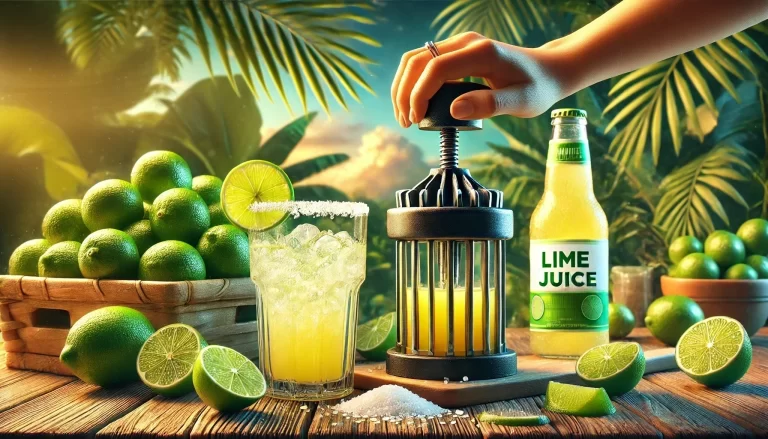
Fresh Lime Juice vs. Bottled Lime Juice Comparison

0
Fresh Lime Juice vs. Bottled Lime Juice Comparison
A side-by-side comparison featuring fresh lime juice being squeezed into a glass with lime halves and coarse salt on one side, and a margarita glass with a lime garnish and fresh lime replacing the bottle on the other side. The scene is set on a tropical-themed kitchen counter with natural lighting and vibrant accents.

Introduction

When making the perfect margarita, one of the most important decisions to make is what type of lime juice to use. Should you go with the convenience of bottled lime juice, or should you opt for the freshness of freshly-squeezed lime juice? This debate has been going on for years, but now it’s time to get to the bottom of it. In this blog post, we’ll compare the flavor and quality of fresh lime juice vs. bottled lime juice to help you decide which one is right for you. Get ready for an in-depth look at the pros and cons of each so that you can make an informed decision and ensure that your margaritas are always packed with flavor!

The Importance of Lime Juice in Margaritas

Lime juice is the backbone of a great margarita. It provides that zesty, tangy flavor that we all know and love. Without it, a margarita just wouldn’t be the same. But why is lime juice so important?

First and foremost, lime juice brings acidity to the cocktail. It balances out the sweetness from the agave or simple syrup and enhances the flavors of the tequila and orange liqueur. The acidity also helps to cut through the richness of the other ingredients, creating a refreshing and well-rounded drink.

In addition to its taste, lime juice also plays a role in the overall texture of a margarita. The natural oils present in fresh lime juice can add a subtle silkiness to the drink, making it feel smooth and velvety on the palate.

Furthermore, lime juice adds a vibrant green color to the margarita, giving it an inviting and visually appealing look. The bright hue not only enhances the overall drinking experience but also signals that you’re about to enjoy a delicious and refreshing cocktail.

So, next time you’re whipping up a margarita, don’t underestimate the importance of lime juice. It truly is the key to achieving that perfect balance of flavors and creating a margarita that will leave your taste buds wanting more.

What’s the Difference Between Fresh and Bottled Lime Juice?

Fresh lime juice and bottled lime juice may seem similar, but there are some key differences that can impact the flavor and quality of your margarita. Fresh lime juice is made by squeezing the juice directly from the lime, while bottled lime juice is processed and preserved for longer shelf life.

One of the main differences is the taste. Fresh lime juice has a bright, zesty flavor that adds a vibrant freshness to your margarita. Bottled lime juice, on the other hand, can have a more muted and artificial taste.

Another difference is the texture. Fresh lime juice has natural oils that can give your margarita a smooth and velvety mouthfeel. Bottled lime juice, however, may lack these oils, resulting in a slightly thinner and less rich texture.

Finally, there’s the color. Fresh lime juice gives your margarita a beautiful, natural green hue, while bottled lime juice may have added artificial colors that can affect the overall visual appeal.

Overall, the choice between fresh and bottled lime juice comes down to personal preference and convenience. If you value the authentic, vibrant flavors of a margarita, fresh lime juice is the way to go. However, if you’re short on time or don’t have fresh limes on hand, bottled lime juice can still produce a decent margarita. If you do go with a bottled juice, use one with lime as the only ingredient and doesn’t say “from concentrate”. I recommend Santa Cruz Organic Pure Lime Juice. Just be aware that the taste and texture may not be quite as impressive.

Pros and Cons of Using Fresh Lime Juice in Margaritas

Fresh lime juice has several pros when it comes to making margaritas. First and foremost, the flavor is unparalleled. Fresh lime juice adds a vibrant, tangy, and zesty taste that can’t be replicated by bottled juice. It brings a natural freshness to your drink that truly elevates the flavor profile.

Another pro is the texture. Fresh lime juice contains natural oils that add a silky smoothness to your margarita. This enhances the overall mouthfeel and makes each sip feel luxurious.

On the flip side, there are some cons to using fresh lime juice. The main one is convenience. Squeezing fresh limes can be time-consuming and messy. It also requires having fresh limes on hand, which may not always be practical. Limes left out will be good for about a week.

Pro Tip: Juice the limes immediately after purchase, and then freeze the juice. The juice will stay good for 3 to 4 months.

In summary, the pros of using fresh lime juice in margaritas include its superior flavor and texture. However, the cons include the inconvenience and potential messiness. Ultimately, it’s up to you to decide which factors are most important in your margarita-making process.

Comparing Margarita Texture and Color

When it comes to the texture and color of margaritas, there are noticeable differences between using fresh lime juice and bottled lime juice. Fresh lime juice, with its natural oils, can give your margarita a smooth and velvety mouthfeel that is truly luxurious. It adds a richness to the drink that can’t be replicated with bottled juice. In terms of color, fresh lime juice brings a vibrant green hue to your margarita, giving it an inviting and visually appealing look.

On the other hand, bottled lime juice may lack these natural oils, resulting in a slightly thinner and less rich texture. Additionally, bottled lime juice may have added artificial colors that can affect the overall visual appeal of your margarita.

When it comes to both texture and color, fresh lime juice reigns supreme. It provides a superior mouthfeel and a vibrant green color that enhances the overall drinking experience. So, if you’re looking for the perfect margarita, using fresh lime juice is the way to go.

Taste Test Results: Fresh Lime Juice vs. Bottled Lime Juice Margaritas

Now, it’s time to answer the burning question: which type of lime juice makes the best margarita? We conducted a taste test comparing fresh lime juice to bottled lime juice, and the results were clear. The margaritas made with fresh lime juice were the clear winners in terms of flavor. The zesty, tangy notes were much more pronounced and vibrant compared to the bottled lime juice counterparts.

But taste isn’t the only factor to consider. The texture of the margaritas made with fresh lime juice was also superior. The natural oils in the fresh juice created a silky smoothness that elevated the overall drinking experience.

And let’s not forget about the visual appeal. The margaritas made with fresh lime juice had a vibrant green color that was unmatched by the bottled lime juice margaritas.

So, if you’re looking to make the best margarita possible, our taste test results suggest that using fresh lime juice is the way to go. Its superior flavor, texture, and color make it worth the extra effort of squeezing those limes. Cheers to a delicious margarita!

Conclusion

After thoroughly examining the pros and cons of using fresh lime juice vs. bottled lime juice in margaritas, the choice is clear: fresh lime juice is the way to go. Not only does it provide unparalleled flavor and texture, but it also adds a vibrant green color that enhances the overall drinking experience. Our taste test results confirmed that margaritas made with fresh lime juice were far superior in terms of taste and mouthfeel. The zesty, tangy notes were much more pronounced, and the natural oils created a luxurious smoothness that couldn’t be replicated with bottled juice. While convenience may be a factor to consider, the extra effort of squeezing fresh limes is worth it for a truly exceptional margarita. So, the next time you’re craving a margarita, opt for fresh lime juice to ensure your drink is bursting with flavor. Cheers to the perfect margarita!

¡Salud!

Milk Washed Margaritas: Clearly a Great Margarita

0
Milk Washed Margaritas: Clearly a Great Margarita
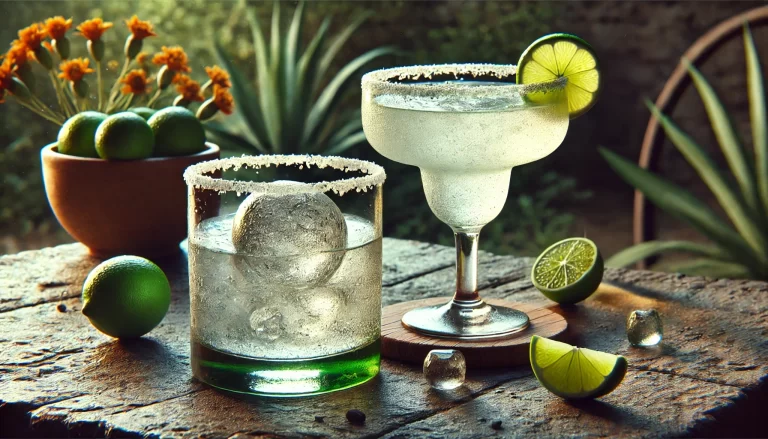
A beautifully crafted margarita scene featuring clear, frosty margaritas in green-rimmed glasses, surrounded by natural foliage and rustic stone surfaces.

Introduction

When it comes to crafting the perfect margarita, the possibilities are endless. From selecting the finest tequila to experimenting with unique mixers, the journey to margarita excellence is filled with delightful twists and turns. But what if I told you there’s a secret technique that could take your margaritas to a whole new level of flavor and sophistication? Say hello to milk-washing, a method that has stood the test of time and promises to transform your favorite cocktail into a silky, nuanced delight. If you’re a margarita lover or a cocktail enthusiast looking to take your mixology skills to new heights, read on. In this journey, we’ll explore the fascinating history of milk-washing, learn what it entails, delve into the remarkable benefits it brings to margaritas, and discover the step-by-step process to craft your very own milk-washed margarita.

History of Milk Washing

To truly appreciate milk-washed margaritas, we must start by diving into the fascinating history of this unique technique. In 1688, the practice of milk-washing cocktails made its debut in Western culture, marking a significant milestone in the history of mixology. During that era, alcohol was far from the regulated and refined beverages we enjoy today. The 17th century was characterized by a lack of legal standards in spirit production, resulting in rough and harsh liquors that required a transformation.

Enter milk-washing, a technique born out of necessity to tame the unruly flavors of early spirits.

This ingenious method was not only about enhancing the taste; it also carried medicinal connotations. The first known milk washing recipe hails from 1711 and renowned polymath Benjamin Franklin himself shared a milk-punch recipe in a letter to a friend in 1763. The resulting concoction was noted for its lemony and slightly medicinal flavor profile. During the 18th century, milk punches were often turned to as remedies for colds and ailments, becoming a comforting and soothing elixir in Western countries.

What is Milk Washing?

Now that we’ve explored the historical origins, it’s time to delve into the fascinating process of milk-washing, a true craft that marries science and artistry. Milk washing is sometimes called milk punch or milk clarification. At its core, milk-washing hinges on the manipulation of casein, a remarkable protein found in milk that possesses the unique ability to bring together the astringent and bitter elements in the liquid we intend to refine. It’s this extraordinary protein that serves as the catalyst for the entire process. The alchemical journey of milk-washing commences with the introduction of an acidic component (i.e. lime juice) into the milk.

Here’s where the magic begins. The milk reacts to the acidity, undergoing a captivating transformation as it curdles. This curdling process, in fact, pulls polyphenol, tannins, pigments, and, yes, some flavors together. Tannins, those astringent compounds commonly found in ingredients like oak-aged spirits or tea, are notorious for lending a bitterness and astringency taste, and is often vilified for causing hangovers. Polyphenols, while good for your health, also have a bitter taste. As the milk curdles, it effectively latches onto these tannins and polyphenols.

The next step is separation, and this is where the journey of transformation truly unfolds. Filtering is employed to elegantly part the curds from the liquid. The outcome is nothing short of magical: a clarified, elegant liquid that astonishes with its newfound clarity, intensified flavors, and a texture that delights the palate. Indeed, milk-washing is a harmonious blend of chemistry and artistry, where each ingredient harmonizes to produce a truly exquisite transformation.

This is where we should explain that with milk washing some color is lost, but the opacity becomes more transparent. That is to say the the liquid is clear with a slight greenish-yellow hue.

The Benefits of Milk Washed Margaritas

So, what can milk-washing bring to your margarita experience? The answer lies in the unique advantages it offers. Milk-washing acts as the alchemist’s touch, rounding off the sharp edges of spirits. It’s like a masterful conductor, orchestrating a harmonious blend of flavors and textures. The margarita you once knew will be reborn as a silky, balanced elixir, with a mouthfeel that dances on the palate. The magic of milk-washing lies in its ability to enhance the overall drinking experience, turning a simple margarita into a sophisticated masterpiece.

Treat this homemade milk-washed margarita as perishable: keep it refrigerated at 40°F (4°C) or below in a clean, covered container. This is a precaution based on FDA guidance for perishable foods; a tested shelf life has not been established for this recipe. Clarification, alcohol and an airtight container should not be relied on to establish shelf stability.

Milk allergy: This drink is made with milk. Do not assume that straining out the curds removes all milk allergens, and do not serve it to someone with a milk allergy. See FDA information on food allergies.

Steps for Milk Washed Margaritas

Now that you’re undoubtedly intrigued, let’s embark on a journey to milk-wash your margarita. We’ll walk you through the process step-by-step, ensuring you have all the tools you need to create masterful milk-washed margaritas.

Step 1: Gather Your Ingredients and Tools

Before we dive into the details, make sure you have everything you need for this exciting adventure.

  • Three large containers
  • One strainer
  • Cheesecloth
  • Large spoon
  • Whole milk
  • Batch Margarita

Step 2: Mix Your Ingredients

The key to any successful margarita is in the fresh ingredients and premium tequila. Prepare your batch margarita as you normally would. You can make one serving, however, the time it takes to make a milk-washed margarita lends itself to making a whole batch. The size of the batch would be limited to the container size that you use for the straining.

Next pour the milk into a large container. The amount of milk used is approximately one-fourth of the quantity of the batch margarita. If you made four cups of margarita, then use one cup of milk. Other milks can be used, but with lesser degrees of clarity. Use chilled, pasteurized milk. Using warm or hot milk hastens the curdling and unevenly resulting is less clarification.

Step 3: Curdle the Milk

Next, pour the batch margarita into the container with the milk. It is important to pour the margarita into the milk rather than the milk into the margarita. Otherwise, the milk begins to curdle immediately reducing the clarity. Gently stir the mixture for a few seconds.

The importance of allowing your creation to rest cannot be overstated. Let the milk-margarita mixture rest in the refrigerator for 30-60 minutes. The longer it sits, the clearer the final product will be, but there is no significant difference after 60 minutes. Leaving the mixture sit for more than 60 minutes will have no meaningful affect on the clarity or flavor.

Step 4: The Art of Straining

Delve into the final steps of the process, as you discover the essential art of straining. Filtering is your key to unlocking the potential of milk-washing, and we’ll guide you through this last critical step.

While the milk is curdling, set up the strainer. Any strainer will do so long as it will hole the quantity of milk/margarita. Slowly pour the mixture into the strainer. Regardless of what you use to strain the curdled milk it will be cloudy at first. This is because the strainer will not be fine enough, and in fact, the curds themselves are the best filter. Once a layer of curds has formed on the bottom of the strainer, the resulting liquid will be clear. At that point switch to a new container and pour the cloudy liquid back into the top to be strained again.

You may find sources that suggest tea towels, bar towel, or other cloth. The larger and thicker the cloth is, the more of your beautiful margarita it soaks up, the less you have to enjoy. A one-ply paper towel in the top pot of a double boiler works well.

Step 5: The Art of Waiting

Understanding the time required for milk-washing is essential, particularly if you’re considering this technique for a bar setting. This is the time consuming part of the process. A rough estimate is about 2 hours per one cup of batch margarita. Carry out slow filtration in the refrigerator at 40°F (4°C) or below; do not leave the mixture out overnight. As a precaution, apply the general perishable-food limit of no more than 2 hours at room temperature in total, or 1 hour above 90°F (32°C). Discard a batch that exceeds these limits.

Serving the Perfect Milk Washed Margaritas

With your milk-washed margarita perfected, it’s time to explore the final steps of presentation. Using standard freezer ice, which is usually cloudy and white, detracts from the look of the milk washed cocktail. Therefore, using clear ice is essential. Bagged ice is good, particularly in a margarita glass. However, a clear ice sphere in a lowball glass brings class to the drink. With its smoothness, don’t discount straight up right out of the refrigerator. But, know that putting the milk washed margarita in the freezer will cause the tequila to cloud up. This cloudiness will go away as it warms back up a little.

Conclusion

As we wrap up our exploration of milk-washed margaritas, it’s worth summarizing the key takeaways. Milk washing is an art that transforms your margarita into an exquisite masterpiece. The historical roots of this technique reveal its intriguing journey, while the step-by-step guide empowers you to craft your own milk washed margarita. We invite you to embark on this mixological adventure and experience the magic of milk washing for yourself.

Are you ready to embark on a journey of cocktail alchemy? Share your milk washed margarita experiences in the comments below. Your stories and creative variations can inspire fellow cocktail enthusiasts and elevate the art of mixology. If you’re eager to explore more cocktail-making techniques, or simply curious about the world of spirits, stay tuned for more delightful discoveries.

¡Salud!

Discover Mezcal: Mexico’s Enchanting Spirit

0
Discover Mezcal: Mexico’s Enchanting Spirit
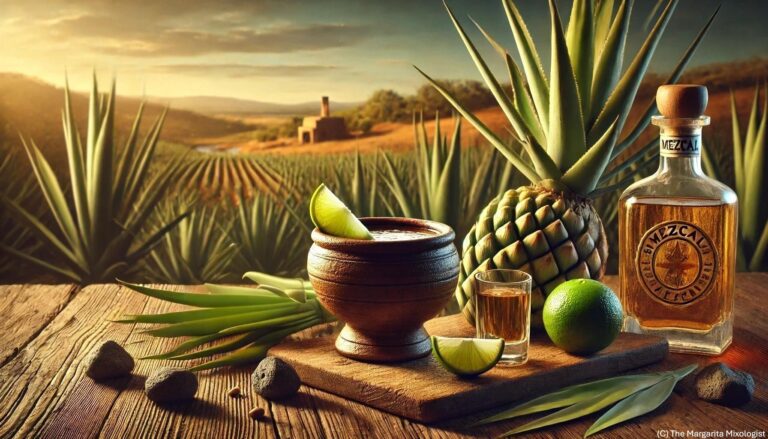
A beautifully arranged mezcal setup featuring a traditional clay cup filled with mezcal, surrounded by agave leaves and volcanic rocks, reflecting the artisanal heritage of this enchanting Mexican spirit.

Introduction

There’s a captivating spirit that hails from the heartland of Mexico, a spirit steeped in tradition and artisanal craftsmanship—a spirit known as mezcal. If you’re a fan of tequila or intrigued by the world of agave-based libations, mezcal is sure to pique your interest and take your taste buds on a thrilling journey. In this blog post, we’ll delve into the world of mezcal, unravel its unique characteristics, explore the Mexican legal aspects that differentiate mezcal from tequila, and even venture into the intriguing realm of mezcal margaritas. Have you tried mezcal before? Share your experiences in the comments below and join the conversation!

The Origin of Mezcal: A Tale of Timeless Tradition

To understand mezcal, we must journey back in time to the agave fields of Mexico. Mezcal, much like tequila, comes from the agave plant, but its origins go back even further. The name “mezcal” comes from the Nahuatl word mexcalli, meaning “oven-cooked agave.” For centuries, mezcal-making has used the same methods, deeply connecting it to Mexican culture and heritage.

Moreover, unlike tequila, which uses Blue Weber agave, mezcal can be crafted from various agave species, including Espadín, Tobalá, and Tepeztate, among others. Each agave variety offers unique flavors and aromas, creating a diverse array of mezcal expressions to explore.

Mezcal Spirit: A Work of Artisanal Mastery

What truly sets mezcal apart is the artisanal production process that relies on age-old techniques. Furthermore, each stage of mezcal production enhances its character.

Steps in Mezcal Production

  1. Harvesting Mature Agave Plants: Agave plants take anywhere from seven to thirty-five years to mature.
  2. Cooking the Agave: Producers cook the agave hearts, or piñas, in earthen pits lined with volcanic rocks to create mezcal’s signature smoky flavor.
  3. Crushing the Piñas: After roasting, the piñas are crushed by a stone wheel pulled by horse or mule, preserving the essence of the agave.
  4. Fermentation: Extracted juice ferments in wooden vats, where natural yeasts contribute to the spirit’s complexity.
  5. Distillation: This process, typically carried out in copper or clay stills, amplifies mezcal’s unique qualities.

As a result, mezcal captures the essence of Mexico—a spirit reflecting the land, the people, and the culture in every drop. Additionally, the process creates a connection to its historical roots.

Agave Varieties and Their Unique Profiles

Mezcal owes its diverse flavor profiles to the numerous agave species used in its production. While tequila primarily uses Blue Weber agave, mezcal can be crafted from over 30 species, each offering unique characteristics:

  • Espadín: The most commonly used agave for mezcal, known for its versatility and balanced flavors. It’s often described as slightly sweet with smoky undertones.
  • Tobalá: A smaller, wild agave species prized for its bold and complex flavors, often featuring floral and citrusy notes.
  • Tepeztate: Grown on rocky terrains, this agave imparts earthy, herbal flavors with a hint of minerality.
  • Arroqueño: Known for its large size, this species contributes rich, fruity, and slightly spicy profiles.
  • Cuishe: A wild agave with grassy and vegetal notes, offering a unique tasting experience.

Each species brings its terroir to the forefront, creating a kaleidoscope of flavors for mezcal enthusiasts to explore. Furthermore, experimenting with different species can unveil surprising flavor notes.

Regional Styles of Mezcal Spirit

Mezcal production is deeply influenced by the region in which it is crafted, with each area bringing its own unique spin on the spirit. Additionally, climate and geography play pivotal roles in shaping regional flavors.

  • Oaxaca: The heartland of mezcal, Oaxaca is renowned for its rich, smoky mezcals often crafted from Espadín and Tobalá agaves. Traditional production methods are deeply embedded in the region’s culture.
  • Durango: Known for mezcals with mineral-rich profiles, thanks to the rocky, high-altitude terrain where agaves grow.
  • Guerrero: Mezcals from Guerrero often feature tropical fruit and floral notes, reflecting the region’s diverse climate.
  • San Luis Potosí: This region’s mezcals are lighter and less smoky, often with earthy and herbal characteristics.
  • Zacatecas: The mezcals here tend to be smoother and less intense, with subtle smoky flavors.

The regional differences offer a fascinating journey for those eager to explore mezcal’s terroir. For further insights, check out our post on Mexican cocktail traditions. Moreover, regional styles can serve as a guide for selecting a mezcal that matches your flavor preferences.

Mezcal Spirit vs. Tequila: A Matter of Terroir and Tradition

The distinction between mezcal and tequila goes beyond the agave species used; it’s rooted in the concept of terroir and regional identity. Moreover, production techniques highlight key differences.

Key Differences

  • Production Regions: Mezcal is crafted in states like Oaxaca, Guerrero, and Durango. Tequila production is limited to Jalisco and a few nearby areas.
  • Agave Varieties: Mezcal uses over 30 agave species; tequila relies on Blue Weber agave.
  • Production Techniques: Mezcal’s artisanal methods contrast tequila’s often industrial processes.

Each mezcal expression tells a story of the agave’s journey through the rugged landscape and embodies the culture of the local communities that nurture its growth. Additionally, tequila offers a more uniform flavor profile, while mezcal showcases greater diversity.

Tasting Notes and Recommendations for Mezcal Spirit

Savoring mezcal is a sensory experience that celebrates its rich complexity. Here are some tips for appreciating mezcal like a pro:

  1. The Nose: Gently swirl the glass and take in the aromas. Look for notes of smoke, earth, citrus, or herbs depending on the mezcal variety.
  2. The Taste: Take a small sip and let it linger on your palate. Notice the initial flavors—whether they’re sweet, spicy, or smoky—and the transitions as the spirit develops.
  3. The Finish: Pay attention to the aftertaste. Does it leave a lingering smokiness, or does it reveal more subtle, fruity notes?

Recommended Mezcals:

  • Del Maguey Vida: A great entry-level mezcal with balanced smoky and fruity flavors.
  • Mezcal Vago Elote: Infused with roasted corn, offering a unique sweet and savory profile.
  • Los Nahuales Reposado: Aged in oak barrels, this mezcal boasts hints of vanilla and spice.
  • Real Minero Pechuga: Distilled with fruits, nuts, and spices, this mezcal is rich and complex.

Experiment with different mezcals to uncover the styles and flavors that resonate with your palate. Additionally, tasting notes can guide you toward discovering your preferred mezcal style.

The Mezcal Margarita: A Spirited Twist on a Classic

You might ask if a mezcal margarita qualifies as a margarita. Technically, it does not. However, embracing the world of mezcal doesn’t mean abandoning the margarita. Substituting tequila with mezcal adds a smoky dimension to the cocktail, enticing those who enjoy complex flavors.

Embracing the Magic of Mezcal Spirit

As you venture into the enchanting world of mezcal, remember that it’s not just a spirit—it’s an embodiment of Mexican culture, tradition, and passion. From the hand-harvested agave to the artisanal production process, mezcal offers an authentic and captivating experience that honors the spirit’s rich heritage. So, the next time you raise a glass of mezcal, take a moment to savor the spirit’s complexity, the stories it carries, and the land it represents. Mezcal invites us to embrace the beauty of diversity and celebrate the magic that unfolds in every sip.

¡Salud!

The Evolution of Margarita Variations: From Classic to Creative Twists

0
The Evolution of Margarita Variations: From Classic to Creative Twists
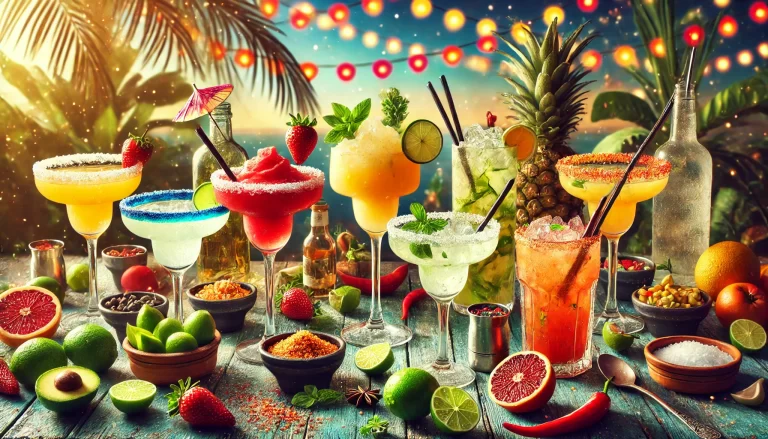
A vibrant bar setup showcasing an array of Margarita styles, including a classic Margarita with a lime wedge, a strawberry Margarita with a sugar rim, a spicy Margarita with a chili garnish, and a herbal Margarita with a basil sprig. The scene is surrounded by fresh fruits, colorful salt rims, and tropical decorations like palm leaves and string lights, creating an adventurous and celebratory atmosphere.

Introduction

¡Hola, Margarita aficionados! Let’s start by exploring the roots of this iconic cocktail with the timeless classic Margarita. As the classic recipe captivated drinkers, it set the stage for countless creative variations. Check out our detailed recipe for crafting a perfect classic Margarita!

The Classic Margarita: A Timeless Legend

Building on its legendary foundation, the Margarita began to evolve with creative twists that captured the world’s imagination. Explore our mixology guide for tips on creating your own variations! The classic Margarita, a mix of tequila, orange liqueur, and lime juice, embodies the true essence of this cocktail. As its popularity grew, bartenders began to reimagine it with fresh twists. From these humble beginnings, the Margarita’s journey continued to evolve, adapting to the creativity of bartenders worldwide. The origins of the Margarita remain mysterious, with many stories claiming to be its birthplace. Whether it was invented in a Mexican cantina or a glamorous cocktail party, one thing is certain—the classic Margarita has stood the test of time as a timeless legend.

The Rise of Margarita Variations

Early transformations brought vibrant fruity variations as mixologists experimented with new flavors and fruits. They introduced exciting ingredients to expand Margarita variations. Jimmy Buffet’s 1977 song “Margaritaville” marked a turning point, making Margarita variations a staple by the 1980s. Bartenders began adding fresh fruit purees, herbal infusions, and even spicy elements to the mix. One of the first areas for experimentation was the addition of fresh, vibrant fruits, leading to fruity Margarita variations. Among the first creative evolutions, fruity Margarita variations brought refreshing transformations to the repertoire.

Fruity Margarita Variations: A Vibrant Twist

One of the first waves of Margarita variations came in the form of fruity twists. These vibrant creations embraced fresh fruits, marking a refreshing shift from tradition. Strawberry and mango Margaritas brought vibrant flavors, offering a burst of sunshine in every sip. Mixologists added fruits like watermelon, pineapple, and passion fruit, elevating the Margarita experience.

Margaritas with Herbal Infusions

With mixology’s emphasis on fresh and natural ingredients, it was only a matter of time before herbs found their way into Margarita variations. Fresh basil, mint, and cilantro became prized additions, infusing Margaritas with a delightful herbal complexity. Herbal-infused Margaritas provided a refreshing twist. While herbs added subtle complexity, the introduction of spice brought boldness and excitement to the Margarita repertoire.

Spicy Sensations: The Margarita with a Kick

Margaritas evolved boldly, combining fiery flavors with global inspirations to attract adventurous palates. The introduction of jalapeno, habanero, and serrano peppers added a fiery kick to the Margarita, igniting a tantalizing heat that harmonized with the tequila’s smoothness. The spicy sensations became an instant hit. While bold spices thrilled adventurous palates, mixologists also turned to international flavors for inspiration. As mixologists embraced adventurous spice, they also turned to global flavors to expand the Margarita’s appeal.

International Margarita Flavors: Global Inspiration

As the cocktail culture expanded and boundaries blurred, mixologists drew inspiration from global flavors to create Margaritas with an international flair. Blood orange Margaritas and Thai basil twists showcased the global artistry of mixologists. Their creativity showcased the rich diversity of flavors from around the world.

Innovative Glassware and Garnishes

As Margarita variations multiplied, so did the innovative glassware and garnishes that accompanied them. Unique glass shapes, from coupes to mason jars, enhanced Margarita presentations. Garnishes became an art form, with colorful sugar rims, edible flowers, and dehydrated fruit slices transforming Margaritas into Instagram-worthy masterpieces. Just as presentations evolved with innovative glassware, the growing interest in health-conscious options inspired non-alcoholic trends.

Non-Alcoholic Margarita Trends: Refreshing Mocktails

With the rise of health-consciousness and a growing interest in non-alcoholic beverages, Margarita mocktails emerged as a delightful trend. Mixologists used alcohol-free spirits or kombucha to craft mocktails capturing Margarita essence without alcohol. Refreshing and guilt-free, these mocktails became favorites among non-drinkers. The rise of mocktails paralleled the craft cocktail movement, both redefining what a Margarita could be.

The Craft Cocktail Movement and the Margarita Renaissance

The craft cocktail movement of the early 2000s brought a resurgence of interest in classic cocktails, including the Margarita. As mixologists refined their techniques, a growing focus on sustainability added a meaningful layer to Margarita innovation, inspiring elevated versions of the classic. Small-batch tequilas, fresh citrus, and artisanal liqueurs elevated Margaritas to unmatched sophistication.

Sustainability and Margarita Innovation

As the world embraced sustainability and eco-conscious practices, the Margarita industry joined the movement, weaving these trends into innovative cocktail creations. Mixologists began blending eco-friendly ingredients with mindful techniques to redefine the Margarita experience. Mixologists embraced organic, locally sourced ingredients and sustainable practices. With innovation shaping every facet of the Margarita, the opportunity to craft your own sustainable creations has never been more exciting. This commitment to sustainability redefined the Margarita experience. The focus shifted to quality, emphasizing top ingredients for a mindful, delicious Margarita experience.

Craft Your Own Margarita Adventure

Today, the world of Margarita variations is vast and limitless, offering a kaleidoscope of flavors and inspirations. Whether you enjoy classic simplicity or crave creative twists, craft your own Margarita adventure. Unleash your mixology creativity, try new flavors, and explore the evolution of Margarita variations. From classic simplicity to limitless creativity, Margarita variations offer something for every taste, setting the stage for your own mixology adventure. Share your favorite twists in the comments below!

Conclusion

As we toast to the captivating journey of Margarita variations, we celebrate the mixologists and bartenders who have continuously pushed the boundaries of creativity in the world of cocktails. Fruity fiestas, herbal delights, and spicy twists each add a unique chapter to Margarita history.

So, whether you’re enjoying the classic Margarita’s timeless simplicity or diving into the exciting world of creative twists, remember to savor every moment and raise your glass to the vibrant evolution of this beloved cocktail.

Get creative with mixology, explore new flavors, and craft your own Margarita adventure. After all, the Margarita world is your oyster—sip, savor, and celebrate Margarita mastery in all its glorious forms!

¡Salud!