Home Blog Page 11

Bella Margarita

0
Bella Margarita
Created with ChatGPT. AI-generated illustration, not a photograph of the actual drink.

Bella: blanco tequila with Cointreau

Bella pairs blanco tequila with Cointreau and gives lime juice and simple syrup equal measured volumes. That relationship is a useful feature to notice when choosing among the Discovery Collection recipes; it describes the recipe, not a promised balance of flavors.

The simple syrup is a separate choice from the orange liqueur. Keep a record of its concentration and the tequila bottle you use, rather than treating every version of those ingredients as the same starting point.

To explore a different blanco tequila, keep the other ingredients and the card’s preparation unchanged. Record your own observations before making another change so you can connect any preference to a specific version.

¡Salud!

A woman holding a lime-garnished margarita in a salt-rimmed glass at a beachside bar.

The Bella Margarita

Blanco tequila, Cointreau, lime juice and simple syrup, with twice as much Cointreau as lime juice. The Bella is dry-shaken with measured water and served over ice.
Margarita Family Modern/Original
Preparation Method Dry shake
Format & Service On the Rocks
Core Formula 4:2:1
Margarita Flavor Key 12BL:6COI:3LI;3SS;8WA|DS
Margarita Intensity Code MML

Ingredients


Instructions
 

  • Chill the ingredients and equipment.

    Refrigerate the recipe ingredients. Prechill a clean, dry cocktail shaker and serving glass in the refrigerator.
  • Measure and add the water.

    Measure chilled, plain, still 45 mL Water and pour it into the chilled shaker.
  • Measure and add the sweetener.

    Measure 17 mL Simple Syrup and add it to the shaker. Transfer the full measured portion.
  • Measure and add the lime juice.

    Measure prechilled, strained fresh 17 mL Lime Juice and pour it into the shaker.
  • Measure and add the orange liqueur.

    Measure 34 mL Cointreau and pour it into the shaker.
  • Measure and add the tequila.

    Measure 68 mL Blanco Tequila and pour it into the shaker.
  • Prepare the serving ice.

    Immediately before shaking, place 100 g of fresh, solid ice cubes in the chilled serving glass.
  • Dry-shake for 15 seconds.

    Secure the shaker and dry-shake (without ice) the liquid ingredients vigorously for exactly 15 seconds. Use the same back-and-forth shaking motion for every recipe.
  • Pour over the serving ice.

    Open the shaker and immediately pour the cocktail directly over the fresh ice in the prepared glass.
  • Stir gently.

    Insert a bar spoon alongside the ice, with the spoon bowl near the bottom of the glass. Move it smoothly around the inside wall for five complete rotations over five seconds, gently circulating the cocktail and ice together.
  • Serve and taste.

    Serve immediately. For comparative tastings, take the first taste 30 seconds after completing the stir and record your initial impressions at that point.

My Notes

Free Members can add private notes to any recipe. Sign in to add yours.

Tweet Share Recipe Pin Recipe

Nutrition

Nutrition Facts
The Bella Margarita
Amount per Serving
Calories
 
334
Calories from Fat 0
% Daily Value*
Fat
 
0.01
g
0
%
Sodium
 
17
mg
1
%
Potassium
 
36
mg
1
%
Carbohydrates
 
27
g
9
%
Fiber
 
0.1
g
0
%
Sugar
 
26
g
29
%
Protein
 
0.1
g
0
%
Vitamin A
 
9
IU
0
%
Vitamin C
 
5
mg
6
%
Calcium
 
7
mg
1
%
Iron
 
1
mg
6
%
Magnesium
 
4
mg
1
%
Alcohol
 
34
g
Net Carbohydrates
 
27
g
* Percent Daily Values are based on a 2000 calorie diet.

Lush Current Margarita

0
Lush Current Margarita

Blanco tequila, equal measures of Cointreau and lime juice, and agave nectar. Lush Current is shaken with ice and served on the rocks.

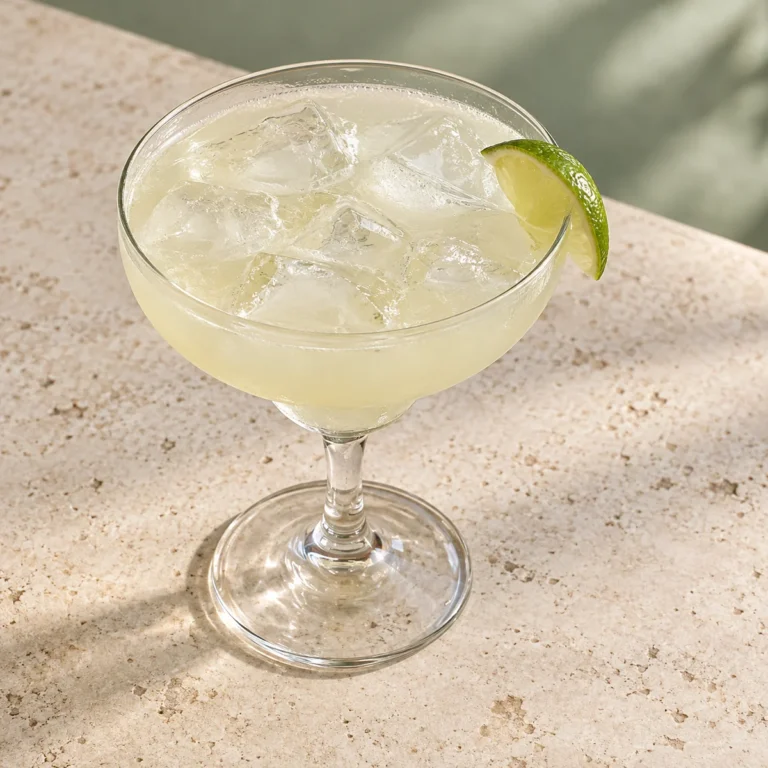
Pale cloudy lime margarita with ice and a lime wedge in an unsalted stemmed glass, viewed from above on cream stone.

Lush Current Margarita

Blanco tequila, equal measures of Cointreau and lime juice, and agave nectar. Lush Current is shaken with ice and served on the rocks.
Margarita Family Traditional/Classic
Preparation Method Shaken with ice
Format & Service On the Rocks
Core Formula 2:1:1
Margarita Flavor Key 2BL:1COI:1LI;1/2AG;0|SH
Margarita Intensity Code MMM

Ingredients


Instructions
 

  • Prepare the Glass: Moisten the rim of your Margarita glass with a lime wedge. Dip the rim into salt (optional) for a classic finish. Set the glass aside.
  • Measure Ingredients: Use a jigger to measure the specified amounts of 60 mL Blanco Tequila, 30 mL Cointreau, 30 mL Lime Juice, and 15 mL Agave Nectar.
  • Combine Ingredients: Add all measured ingredients into a cocktail shaker filled with ice.
  • Shake Vigorously: Shake the cocktail shaker firmly for about 15 seconds to chill and mix the ingredients thoroughly.
  • Strain into Glass: Fill your prepared glass with fresh ice and strain the shaken Margarita mixture over the ice.
  • Garnish and Serve: Garnish with a lime wheel or wedge for a visually appealing presentation. Serve immediately and enjoy your perfectly crafted Margarita!

Notes

The agave nectar product is not specified. Record the product you use so you can repeat the drink.
Use one unit system throughout when measuring. The measuring guide explains how to read a jigger consistently.

My Notes

Free Members can add private notes to any recipe. Sign in to add yours.

Tweet Share Recipe Pin Recipe

Nutrition

Nutrition Facts
Lush Current Margarita
Amount per Serving
Calories
 
285
Calories from Fat 1
% Daily Value*
Fat
 
0.1
g
0
%
Polyunsaturated Fat
 
0.01
g
Sodium
 
1
mg
0
%
Potassium
 
36
mg
1
%
Carbohydrates
 
20
g
7
%
Fiber
 
0.1
g
0
%
Sugar
 
17
g
19
%
Protein
 
0.1
g
0
%
Vitamin A
 
15
IU
0
%
Vitamin C
 
12
mg
15
%
Calcium
 
4
mg
0
%
Iron
 
0.04
mg
0
%
Magnesium
 
3
mg
1
%
Alcohol
 
30
g
Net Carbohydrates
 
20
g
* Percent Daily Values are based on a 2000 calorie diet.

Ana Margarita

0
Ana Margarita
Created with ChatGPT. AI-generated illustration, not a photograph of the actual drink.

Ana: a larger lime-juice measure

Ana uses more lime juice than Cointreau alongside blanco tequila and simple syrup. That gives it a different composition from Bella even though the two recipes name the same spirits and sweetener.

Ana and Bella are complete recipes, not a controlled comparison of one ingredient. Their proportions differ, so a preference between them cannot be attributed to the lime juice alone.

For a more focused comparison, begin with Ana as written and keep the tequila, syrup, preparation and serving conditions consistent. Record the exact version you make and your own impressions rather than relying on a flavor description.

¡Salud!

Ana Margarita

The Ana Margarita

Blanco tequila, Cointreau, lime juice and simple syrup, with twice as much lime juice as Cointreau. The Ana is dry-shaken with measured water and served over ice.
Margarita Family Modern/Original
Preparation Method Dry shake
Format & Service On the Rocks
Core Formula 5:2:4
Margarita Flavor Key 15BL:6COI:12LI;6SS;13WA|DS
Margarita Intensity Code LLH

Ingredients


Instructions
 

  • Chill the ingredients and equipment.

    Refrigerate the recipe ingredients. Prechill a clean, dry cocktail shaker and serving glass in the refrigerator.
  • Measure and add the water.

    Measure chilled, plain, still 45 mL Water and pour it into the chilled shaker.
  • Measure and add the sweetener.

    Measure 21 mL Simple Syrup and add it to the shaker. Transfer the full measured portion.
  • Measure and add the lime juice.

    Measure prechilled, strained fresh 42 mL Lime Juice and pour it into the shaker.
  • Measure and add the orange liqueur.

    Measure 21 mL Cointreau and pour it into the shaker.
  • Measure and add the tequila.

    Measure 52 mL Blanco Tequila and pour it into the shaker.
  • Prepare the serving ice.

    Immediately before shaking, place 100 g of fresh, solid ice cubes in the chilled serving glass.
  • Dry-shake for 15 seconds.

    Secure the shaker and dry-shake (without ice) the liquid ingredients vigorously for exactly 15 seconds. Use the same back-and-forth shaking motion for every recipe.
  • Pour over the serving ice.

    Open the shaker and immediately pour the cocktail directly over the fresh ice in the prepared glass.
  • Stir gently.

    Insert a bar spoon alongside the ice, with the spoon bowl near the bottom of the glass. Move it smoothly around the inside wall for five complete rotations over five seconds, gently circulating the cocktail and ice together.
  • Serve and taste.

    Serve immediately. For comparative tastings, take the first taste 30 seconds after completing the stir and record your initial impressions at that point.

Notes

The serving controls scale the complete batch; divide it into smaller pours if desired. Measure using one unit system throughout.
Nutrition estimates have not been validated for this preparation.

My Notes

Free Members can add private notes to any recipe. Sign in to add yours.

Tweet Share Recipe Pin Recipe

Nutrition

Nutrition Facts
The Ana Margarita
Amount per Serving
Calories
 
278
Calories from Fat 0
% Daily Value*
Fat
 
0.03
g
0
%
Polyunsaturated Fat
 
0.01
g
Sodium
 
20
mg
1
%
Potassium
 
69
mg
2
%
Carbohydrates
 
30
g
10
%
Fiber
 
0.2
g
1
%
Sugar
 
27
g
30
%
Protein
 
0.2
g
0
%
Vitamin A
 
21
IU
0
%
Vitamin C
 
13
mg
16
%
Calcium
 
11
mg
1
%
Iron
 
1
mg
6
%
Magnesium
 
7
mg
2
%
Alcohol
 
24
g
Net Carbohydrates
 
30
g
* Percent Daily Values are based on a 2000 calorie diet.

Beyond the Lime: Creative Margarita Garnishes to Try

0
Beyond the Lime: Creative Margarita Garnishes to Try
Created with ChatGPT. AI-generated illustration, not a photograph of the actual drink. A vibrant Margarita adorned with a salted rim, lime wedge, mint, jalapeño slice, and mango garnish, set against a tropical backdrop.

Creative Margarita Garnishes: Beyond the Lime

Introduction

Hola, fellow Margarita lovers! Are you ready to explore creative Margarita garnishes that will take your cocktail game to the next level? While the lime wedge is a classic, there are countless ways to add flair and flavor to your favorite drink.

Why Garnishes Matter

While the lime is a timeless choice, the world of Margarita garnishes is brimming with creative possibilities. Join us to explore Margarita garnishes, from exotic fruits to fragrant herbs. Get ready to take your Margarita game to a whole new level with these enticing garnish ideas that will charm both your eyes and taste buds!


The Classic Lime Wedge: A Timeless Favorite

Before we dive into the realm of creative garnishes, let’s pay homage to the classic lime wedge—the garnish that started it all. The zesty lime wedge not only adds a burst of citrusy goodness. It also complements the Margarita’s flavors, striking a perfect balance between sweet and sour. While we explore other garnish options, let’s never forget the charm of this timeless favorite that has been adorning Margaritas since time immemorial.


Exotic Fruits for a Tropical Twist

Pair mango garnishes with a smoky Mezcal Margarita for a tropical twist that complements the tequila’s earthy notes. Each fruit garnish adds its own vibrant flavor to the cocktail. Pineapple Paradise Transport your Margarita to a tropical paradise by garnishing it with a juicy pineapple wedge. Additionally, the sweet and tangy notes of pineapple harmonize beautifully with the Margarita’s citrusy tang, creating a taste sensation that feels like a beach vacation in every sip.

Mango Tango Indulge in the luscious sweetness of mango by adding a ripe mango slice to your Margarita. The succulent mango perfectly complements the tequila’s bold flavors, creating a tantalizing tropical Margarita experience that’s hard to resist.

Passionfruit Perfection For an exotic twist, top your Margarita with a spoonful of passionfruit pulp or garnish it with a slice of fresh passionfruit. The floral and tangy notes of passionfruit add a unique and delightful dimension to your Margarita that will leave your taste buds dancing with joy.


A Symphony of Berries

Strawberry Sensation Add a touch of sweetness and elegance to your Margarita with a plump strawberry perched on the rim. The vibrant red hue of the strawberry not only adds visual appeal but also infuses the Margarita with a burst of fruity flavor that will delight your senses.

Raspberry Rendezvous Raspberries make for a delightful Margarita garnish, bringing a perfect balance of sweetness and tartness. Furthermore, whether you use a single raspberry or create a raspberry skewer, this garnish adds a touch of sophistication to your Margarita presentation.

Blueberry Bliss For a burst of color and a dose of antioxidants, garnish your Margarita with a handful of plump blueberries. Not only do they add a pop of color, but they also infuse your Margarita with a subtle sweetness that complements the tequila’s earthy notes.


Herbs for Fragrant Nuances

Basil Breeze Embrace the herbaceous charm of fresh basil by adding a sprig or two to your Margarita. The aromatic basil elevates the cocktail with its delightful fragrance and complements the Margarita’s flavors, making it a delightful herbaceous sip.

Minty Freshness For a refreshing twist, garnish your Margarita with a sprig of fresh mint. The invigorating aroma of mint adds a burst of freshness to your cocktail, making it an ideal choice for warm summer days or balmy evenings.


Spicy Kickers

Jalapeños are a staple in Mexican cuisine, making them a natural fit for Margaritas. Their fiery kick mirrors the bold flavors of this iconic cocktail while adding visual and flavor complexity. Jalapeño Heat If you enjoy a little heat in your Margarita, try garnishing it with a thin slice of fresh jalapeño. The fiery kick of jalapeño enhances the Margarita’s flavors, creating a tantalizing fusion of sweet, sour, and spicy.


Edible Flowers for Whimsical Beauty

Hibiscus Harmony For a touch of whimsy and elegance, garnish your Margarita with a hibiscus flower. The vibrant color and delicate petals add a touch of romance to your cocktail, creating a visual spectacle that’s sure to impress.


Garnishing with Salt and Sugar Rims

While we explore the world of creative garnishes, let’s not forget the power of salt and sugar rims. Experiment with flavored salts or sugar blends to add a unique twist to your Margarita. For example:

  • Tajín Rim: A mix of chili powder, salt, and dehydrated lime juice, Tajín adds a spicy and tangy kick to your Margarita experience.
  • Coconut Sugar Rim: Swap traditional sugar for coconut sugar to infuse your Margarita with a subtle coconut essence.
  • Cinnamon Sugar Rim: A delightful blend of cinnamon and sugar that adds a warm and cozy touch to your Margarita.

Garnishing Techniques

To create candied citrus peels, simmer orange or lime peels in a sugar syrup for 10 minutes. Let them dry on parchment paper for a glossy, flavorful garnish that adds both texture and sweetness. Now that we’ve explored an array of creative garnishes, let’s talk about garnishing techniques to ensure your Margarita presentation is as captivating as the taste.

  • Fruit Skewers: Thread bite-sized fruit pieces onto cocktail skewers for an elegant and practical garnish.
  • Candied Citrus Peels: Create candied citrus peels to garnish your Margarita with a sweet and tangy twist.
  • Herb Sprigs: Bundle fresh herbs together and rest them on the rim or gently drop them into the cocktail for a fragrant garnish.
  • Flower Floats: Allow edible flowers to float gracefully on the Margarita’s surface, creating a stunning visual effect.

Presentation is Key

Modern mixologists are experimenting with dehydrated fruit slices and edible glitter to add a contemporary flair to their Margaritas. Tools like garnish tongs and specific glassware further elevate the visual appeal. Remember, the key to an enchanting Margarita garnish is not only the garnish itself but also its presentation. Play with colors, shapes, and textures to create a visually stunning cocktail. This way, your Margarita becomes as delightful to behold as it is to sip. Whether you’re hosting a party or enjoying a quiet evening, let your creative spirit soar. Craft Margaritas that are not only a treat for the taste buds but also a feast for the eyes.


In Conclusion

From exotic fruits to fragrant herbs, and spicy kicks to edible flowers, the world of Margarita garnishes is a treasure trove of delightful possibilities. Discover creative Margarita garnishes that make your cocktails both flavorful and stunning. So, the next time you mix up a Margarita, don’t hesitate to step beyond the lime and experiment with these creative garnishes. Let your imagination run wild and craft Margaritas that not only taste sensational but also look stunning. Cheers to the art of Margarita garnishing, and here’s to many delightful Margarita moments filled with creativity and joy!

¡Salud!

Esquire’s December 1953 Margarita Feature: What the Source Shows

0
Esquire’s December 1953 Margarita Feature: What the Source Shows
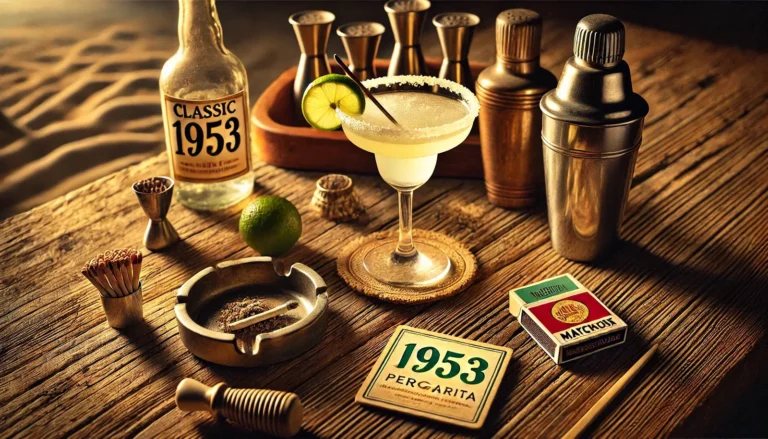
Created with ChatGPT. AI-generated illustration, not a photograph of the actual drink.

A small Esquire clipping gives us a revealing look at a margarita recipe from December 1953. Under the heading “Potables,” the magazine presented the margarita as its “Drink of the Month.” The entry pairs a brief introduction with three ingredients and a compact set of directions. Its interest lies in those details: a dash of triple sec, a choice of lime or lemon, crushed ice, stirring, and a salted stemmed glass.

The Published Source

A photographic reproduction appears in Academia Patrón’s Mixología de México, printed page 12 (PDF page 14). The caption identifies “Painting the Town,” Esquire, December 1953, page 76. This reading is based on that reproduced clipping. Esquire’s archive lists the December 1953 issue; the complete original magazine page was not independently inspected for this article.

The opening identifies the drink with Mexico and describes its appearance and appeal. That language introduces the cocktail to the reader, but it supplies no inventor, creation date or account of how the recipe reached the magazine. The publication date gives us a documented example, rather than proof that this was the first margarita recipe ever printed.

The Ingredients as Printed

The recipe names tequila, triple sec, and lime or lemon juice. Its quantities are:

1 ounce of tequila
Dash of Triple Sec
Juice of half a lime or lemon

There is no named tequila brand or expression. The orange liqueur is triple sec, without a specified brand. Cointreau should therefore not be presented as a requirement of this particular source. The citrus choice is explicit: either lime or lemon. Reproducing the recipe with lime alone would narrow an option the printed entry leaves open.

Three Ingredients, Different Kinds of Measurement

The ounce of tequila, dash of liqueur and half fruit are not three measurements on a common volume scale. A dash has no assigned volume here, while half a lime or lemon identifies the fruit portion to juice. It does not state how much liquid that portion yields.

That distinction matters when comparing recipes. The clipping cannot supply an exact tequila-to-liqueur-to-citrus ratio without additional measurements. Nor does it establish a fixed finished drink volume. Keeping the dash and half-fruit wording visible preserves the historical recipe’s level of precision instead of making it appear more exact than it is.

Reading the Short Method

In paraphrase, the directions call for pouring the ingredients over crushed ice and stirring. They then describe moistening a stemmed glass’s rim with lemon or lime rind, coating the rim with salt, and pouring the drink into the glass.

The verbs and materials are worth noticing. The entry specifies stirring rather than shaking, crushed ice rather than an unspecified form of ice, and a stemmed serving glass. Citrus rind is used on the rim; it is not presented as a separate garnish. These are concrete details that can be retained without adding a more elaborate modern procedure.

The directions remain brief. They give no stirring time, measured dilution or explicit straining instruction. A reconstruction may need practical choices at those points, but those choices should be identified as part of that reconstruction. The same distinction applies to any measured interpretation of the dash or citrus yield.

A Useful Historical Comparison

The Picador entry in the 1937 Café Royal Cocktail Book offers a useful comparison. It names tequila, Cointreau, and fresh lime or lemon juice in fractional proportions, followed by the instruction to shake. Esquire’s entry uses a different drink name and a different way of specifying quantities and preparation.

Reading the two side by side reveals those documented differences. Shared ingredients alone do not show that one recipe directly influenced the other. Establishing that relationship, or measuring Esquire’s effect on the margarita’s popularity, would require evidence beyond the recipes themselves.

Explore the Recipe

For the recipe card and a closer look at interpreting its measures, see our Esquire 1953 margarita recipe. The historical ingredient quantities remain unchanged, including the unmeasured dash and juice from half a lime or lemon.

Correction: This article previously overstated the recipe’s publication priority and cultural impact. Those claims have been removed, and the method is now paraphrased from the reproduced clipping.

¡Salud!