Home Blog Page 6

A Look at Esquire’s 1953 Margarita Recipe

0
A Look at Esquire’s 1953 Margarita Recipe
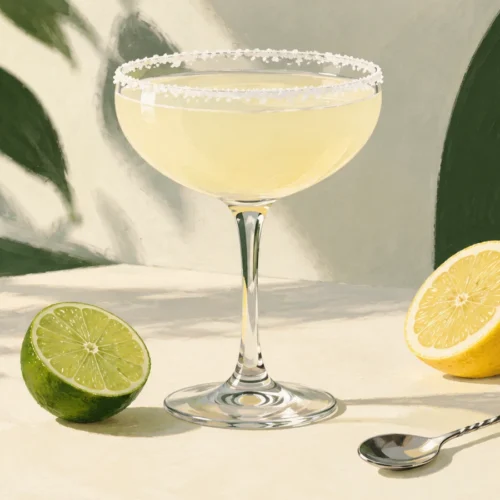
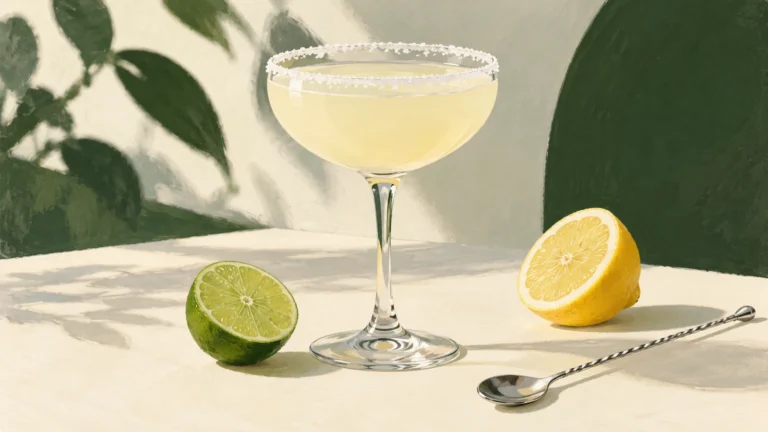
Original editorial illustration; the source allows lime or lemon and leaves the final ice handling unspecified.

Esquire’s 1953 margarita recipe is brief enough to leave some important choices to the person making it. It calls for tequila, a dash of triple sec, and juice from half a lime or lemon. The interesting detail is how little it fixes about the last two quantities. Turning that description into a precise modern ratio requires decisions the printed recipe never makes.

This is a close reading of a historical recipe, with corrections to our earlier version. We have not prepared or taste-tested this reconstruction.

What we could verify

We examined a photographic reproduction of the original clipping in Academia Patrón’s Mixología de México, printed page 12, which is page 14 in the PDF. Its caption identifies “Painting the Town,” Esquire, December 1953, page 76. The clipping labels the margarita “Drink of the Month.” View the reproduced clipping.

That is a reproduction of the entry, rather than our independent inspection of the complete original magazine page. Esquire’s own archive lists the December 1953 issue; access to its full-page viewer requires a subscription. The publisher also recalls the 1953 feature in its 2019 margarita article.

The evidence supports discussing this published example. A dated recipe alone cannot establish who invented the drink, when someone first mixed it, or whether it was the first recipe ever printed. Those are separate historical questions, so this page makes no first-ever or inventor claim.

Read the quantities as written

  • Tequila: one ounce. The clipping does not name a brand or expression.
  • Triple sec: a dash, with no volume assigned.
  • Citrus: the juice obtained from half a lime or half a lemon.

Its method uses crushed ice and stirring, followed by a stemmed glass with a citrus-moistened, salted rim. It does not give a stirring time, a measured dilution, or a garnish. The recipe card below paraphrases that short method and keeps the unresolved measurements visible.

Why there is no exact historical ratio here

A ratio compares amounts measured on the same basis. An ounce, an unmeasured dash, and half a fruit do not supply three known liquid volumes. To calculate a reproducible ratio, you would first have to measure the actual dash and extracted juice.

For example, choosing a quarter-ounce pour of triple sec would create a measured interpretation. Calling that choice the historical definition of a dash would go beyond the evidence. The same applies to treating half a fruit as half an ounce of juice.

Our earlier page mixed incompatible claims: a 2:1:1 ratio, a 48:1:12 ratio, and a quarter-ounce interpretation of the dash. It also presented a larger version as a direct scaling of the original. Those claims have been removed. There is no verified fixed-volume recipe behind them.

For the same reason, we are leaving the Margarita Flavor Key unassigned and omitting nutrition and strength estimates. A precise-looking code or calorie total would hide the missing inputs.

If you try a measured interpretation

Keep a small record of your choices. Write down the tequila and orange liqueur you use, your dash volume, the type of citrus, and how much juice you actually extract. Also record the ice, mixing time, and how you transfer the drink to its serving glass. These details describe your version; they do not retroactively supply missing instructions to the historical source.

If you want to compare lime with lemon, hold the other choices steady and record each version separately. Describe your own observations rather than assuming the historical wording guarantees a particular sweetness, strength, or flavor.

For help keeping those measurements consistent, see our guide to measuring margarita ingredients.

Correction and source note

This update replaces unsupported first-publication, brand-popularity, flavor, ratio, scaling, and nutrition claims. The recipe retains its historical quantities, including their uncertainty. The clipping is linked for reference; it is not reproduced here as artwork. The accompanying graphic is an original explanatory illustration.

Modern editorial illustration of a pale citrus cocktail in a salt-rimmed stemmed glass, with a lime half, lemon half, and bar spoon.

Esquire’s Margarita (1953): historical recipe

A source-based reading of the 1953 clipping. Its dash and citrus yield are not fixed volumes. Instructions are paraphrased; this reconstruction has not been prepared or taste-tested.
Course Cocktail
Calories
Servings 1 historical recipe

Equipment

  • 1 Jigger
  • 1 Margarita Glass
  • 1 Citrus Juicer
  • 1 Bar Spoon

Ingredients


  • 1 fl oz Tequila No brand or expression specified. Modern conversion treats the ounce as a US fluid ounce.
  • 1 dash Triple Sec The source gives no volume for the dash.
  • ½ lime or lemon, juiced Use the juice from this amount of fruit, not a fixed volume of juice.
  • crushed ice For mixing; amount and melt dilution unspecified.
  • salt and citrus rind For the glass rim; not a measured incorporated ingredient.

Instructions
 

  • Moisten the rim of a stemmed serving glass with citrus rind, then coat the rim with salt.
  • Extract the juice from the listed amount of lime or lemon. The amount is a fraction of a fruit, not an ounce measure.
  • Measure the listed tequila and add the listed dash of triple sec. No fixed dash volume is specified by the historical source.
  • Combine the tequila, triple sec, and extracted citrus juice over crushed ice.
  • Stir, then pour into the prepared glass. The clipping does not specify a stirring duration or whether to retain or strain away the mixing ice.

Notes

Source: Esquire, December 1953, “Painting the Town,” p. 76, as identified by the caption to the photographic clipping in Academia Patrón’s Mixología de México, printed p. 12 (PDF p. 14).
No fixed-volume dash, citrus yield, exact ratio, nutrition, strength, or MFK2 can be supplied from these historical measures.

My Notes

Available to subscribers!

Add to Collection Rate this Recipe
Tweet (?) Share Recipe Pin Recipe

Picador (1937)

0
Picador (1937)
Step back in time with the vintage elegance of the 1937 Picador cocktail, served with a touch of nostalgia and charm.

Introduction

The 1937 Café Royal Cocktail Book records a Picador made with tequila, Cointreau and lime or lemon juice. This is a published example of a combination familiar to margarita readers. The recipe alone does not establish who invented the margarita or whether the Picador directly influenced it.

1937 Picador Recipe: What Makes It a Classic Tequila Cocktail?

The Picador is a tequila-based cocktail with a balanced and clean flavor profile. It uses a classic 2:1:1 ratio of tequila, Cointreau (or another orange liqueur), and lime or lemon juice. Included in the 1937 Café Royal Cocktail Book, the Picador reflects an era when cocktails celebrated simplicity and elegance. The original instructions for the Picador are refreshingly straightforward: “Shake.” This minimalist approach leaves room for personal flair while preserving its timeless appeal.

1937 Picador Recipe vs. Margarita: Key Differences

While the Picador shares its ingredients with the margarita, the two drinks differ in presentation and flavor profile. The Picador skips the salted rim and garnishes, keeping the focus on its tequila-forward simplicity. On the other hand, the margarita often includes a salted rim and variations that add sweetness or complexity.

The shared ingredients make the Picador a useful historical comparison. A dated recipe documents that printed example; it does not, by itself, show who borrowed from whom or establish a direct line of descent.

Why the Picador is Still Relevant Today

The Picador’s timeless appeal lies in its simplicity and adaptability. In today’s era of vintage cocktail revival, its clean, balanced flavors resonate with modern drinkers seeking authentic experiences. Mixologists appreciate its versatility, as the straightforward recipe provides a perfect base for creative twists. Whether you’re a fan of classic cocktails or love experimenting, the Picador remains a must-try for tequila lovers.

The Legacy of the Picador in Cocktail History

The Picador entry in the 1937 Café Royal Cocktail Book preserves a historical example of tequila, Cointreau and citrus in one recipe. Its relationship to later margaritas is a question for further evidence, rather than proof that it was their precursor.

Conclusion

The 1937 Picador Recipe is more than just a cocktail; it’s a journey into the origins of margarita magic. Its clean, balanced flavors and historical significance make it a timeless classic worth exploring. Recreate the Picador today and discover why it’s stood the test of time. Don’t forget to share your creation with #MargaritaMixologist and join the celebration of classic tequila cocktails.

¡Salud!

A pale green cocktail in a coupe with a lime wheel, beside bottles, a shaker and jiggers on a wooden table.

Picador (1937)

The Picador appears in the 1937 Café Royal Cocktail Book with tequila, Cointreau, and fresh lime or lemon juice in a 2:1:1 ratio. Its printed preparation instruction is “Shake.” This documents a historical recipe; it does not establish a direct line of influence on the margarita.
Keyword Picador
Core Formula 2:1:1
Course Cocktail
Calories 228 kcal
Servings 1

Equipment

  • Cocktail Shaker
  • Jigger

Ingredients


  • 2 fl oz Tequila
  • 1 fl oz Cointreau
  • 1 fl oz Lime Juice or Lemon Juice

Instructions
 

  • The original instructions for the Picador in the 1937 publication were, "Shake".

Notes

Ratio: 2:1:1 (Tequila : Cointreau : Lime or Lemon Juice).
The 1937 source permits either fresh lime juice or fresh lemon juice.

My Notes

Available to subscribers!

Add to Collection Rate this Recipe

Nutrition

Nutrition Facts
Picador (1937)
Amount per Serving
Calories
 
228
Calories from Fat 0
% Daily Value*
Fat
 
0.02
g
0
%
Polyunsaturated Fat
 
0.01
g
Sodium
 
1
mg
0
%
Potassium
 
33
mg
1
%
Carbohydrates
 
9
g
3
%
Fiber
 
0.1
g
0
%
Sugar
 
7
g
8
%
Protein
 
0.1
g
0
%
Vitamin A
 
14
IU
0
%
Vitamin C
 
9
mg
11
%
Calcium
 
4
mg
0
%
Iron
 
0.03
mg
0
%
Magnesium
 
2
mg
1
%
Alcohol
 
28
g
Net Carbohydrates
 
9
g
* Percent Daily Values are based on a 2000 calorie diet.
Tweet (?) Share Recipe Pin Recipe

Sweeteners for Your Perfect Margarita: Unraveling the Sweet World of Flavor and Balance

0
Sweeteners for Your Perfect Margarita: Unraveling the Sweet World of Flavor and Balance
A rustic flat lay of honey, agave syrup, and simple syrup, perfectly paired with a fresh margarita and lime wedges – the essence of tropical indulgence.

Introduction

The Margarita, with its refreshing blend of tequila, orange liqueur, and lime juice, is a beloved classic cocktail enjoyed by many around the world. For some, flavored Margaritas are preferred due to being sweeter.  For others, adding a sweetener accomplishes this while still maintaining the classic lime variation. In this comprehensive guide, we’ll dive into the world of margarita sweeteners, exploring how each one influences the cocktail’s flavor profile. From simple syrup to natural syrups like agave and honey, we’ll learn the unique characteristics of each sweetener, enabling you to craft your perfect Margarita. So, let’s embark on a tantalizing journey into the realm of Margarita mixology and discover the secrets to elevating your Margarita game!

Simple Syrup: The Versatile Foundation

How to Make Simple Syrup

Simple syrup, as the name suggests, is a straightforward mixture of sugar and water. It serves as a versatile and essential sweetener in cocktail making, including Margaritas. Creating simple syrup is as easy as it gets. Combine equal parts of sugar and water in a saucepan. (There are versions of simple syrup that use 2 parts sugar to one part water.  This will make a thicker syrup with a sweeter taste.) Bring the mixture to a simmer, stirring until the sugar dissolves completely. Allow it to cool before transferring it to a clean, airtight container.

Granulated White Sugar: The Classic Sweetness

Granulated white sugar is a commonly used sugar made from sugarcane or sugar beets. The process involves extracting the juice from the plants, purifying it, and then crystallizing it to form the familiar white granules.  Granulated white sugar has a fascinating history dating back to ancient times when the extraction of sugar from sugarcane was first discovered. Today, sugar production has become a global industry, with countries like Brazil, India, China, and Thailand leading the pack in sugarcane cultivation and refinement.

When granulated white sugar is made into simple syrup, it remains clear, with a hint of yellowish hue. The transparent appearance of the simple syrup makes it an ideal sweetener for cocktails, as it does not alter the cocktail’s color while imparting its sweetness.

Granulated white sugar imparts a straightforward, neutral sweetness to the Margarita. It enhances the natural flavors of the tequila and citrus components without introducing any distinct taste of its own or overpowering the Margarita’s other elements. This quality allows the other ingredients in the Margarita to shine through, resulting in a well-balanced cocktail. The simplicity of its flavor makes it an excellent base for experimenting with various Margarita recipes and complementing a wide range of tequila profiles.

Light Brown Sugar: The Perfect Balance

Light brown sugar is a combination of granulated white sugar and molasses. It has a slightly higher molasses content than raw sugar, contributing to its darker color and richer taste.

The creation of light brown sugar involves the addition of molasses back into refined white sugar, striking the perfect balance between sweetness and a subtle molasses flavor. This process allows for precise control over the level of molasses, producing different shades of brown sugar.

When transformed into simple syrup, light brown sugar infuses the liquid with a light amber hue, adding visual allure to the cocktail. The rich color imparts a sense of indulgence and sophistication, making it an excellent choice for special occasions and luxurious Margaritas.

Light brown sugar imparts a caramel-like sweetness to the Margarita, offering a delightful blend of sweetness and very subtle molasses undertones. The interplay of flavors elevates the cocktail, transforming it into a delightful treat for the taste buds. Light brown sugar elevates the Margarita with its warm, comforting flavors. The gentle essence of molasses complements the tequila’s earthy and herbal notes, creating a harmonious symphony of taste.

Raw Sugar: A Touch of Unrefined Luxury

Raw sugar, also known as “turbinado” or “demerara” sugar, is an unrefined sugar that undergoes less processing than granulated white sugar. It retains some of the natural molasses found in sugarcane, giving it a slightly darker color and a more robust flavor.

Raw sugar has gained popularity in recent years due to the increasing demand for natural and less processed foods. It is often considered a healthier alternative to white sugar since it undergoes less refining, preserving some of the vitamins and minerals present in the sugarcane plant.

When made into simple syrup, raw sugar creates a deep amber hue, reflecting its less refined nature. The beautiful caramel-like color adds visual appeal to the cocktail, making it an attractive option for those looking to enhance their Margaritas’ aesthetics.

Raw sugar contributes a richer, more complex sweetness to the Margarita, along with not-so-subtle hints of molasses. This adds depth to the cocktail’s flavor profile, making it a favorite among mixologists seeking to elevate their Margaritas to new heights.

In comparison to granulated white sugar, raw sugar brings a touch of warmth and character to the Margarita. The molasses notes create a more nuanced and robust sweetness that complements aged tequilas and artisanal tequilas. It tends to bring out the earthy and oak flavor of the tequila, even in a blanco tequila.

Stevia: The Guilt-Free Sweetness

Stevia, derived from the stevia plant, offers a guilt-free way to satisfy your sweet tooth without the added calories of sugar. Native to South America, the stevia plant has a long history of being used as a natural sweetener.

Creating stevia sweetener involves carefully extracting the natural sweetness from the stevia leaves, purifying it, and transforming it into a crystalline form. Stevia has gained popularity as a healthier option for those aiming to reduce their sugar consumption while maintaining taste.

When crafted into a simple syrup, stevia maintains its clear appearance even more effectively than traditional simple syrup. This clarity ensures that your cocktail retains its original color while imparting the desired level of sweetness.

Though the product label recommends a 1-to-1 exchange with sugar, stevia offers a sweetness that’s slightly more intense than sugar-based simple syrup, yet without the associated calories. This characteristic makes it an excellent choice for individuals seeking to cut back on sugar intake while still savoring the flavors of a delicious Margarita.

Stevia’s taste closely resembles that of granulated white sugar, making it a fantastic option for health-conscious Margarita enthusiasts. Its calorie-free nature means you can relish your preferred cocktail without worrying about extra calories, rendering it particularly appealing to those adhering to low-carb or diabetic-friendly diets.

Coconut Sugar: An Exotic Twist

Coconut sugar is derived from the sap of the coconut palm tree’s flowers. The sap is collected, dehydrated, and ground into granules, resulting in this exotic sweetener. Coconut sugar production involves a sustainable process that utilizes the abundant resources of coconut palm trees. The palm tree’s sap is collected using traditional methods, ensuring minimal impact on the environment.

When transformed into simple syrup, coconut sugar takes on a brown opaque liquid, evoking the earthy tones of the tropics. The dark color imbues the Margarita with a muddled color, detracting from the typical Margarita green.

Coconut sugar imparts a rich, caramel-like sweetness to the Margarita, with subtle hints of coconut shell flavor that adds a tropical earthy taste. Don’t be fooled or misled, coconut sugar has no hint of the flavor found in the white meat of the coconut. Its unique taste is unlikely to be favored by the majority.

Maximizing the Shelf Life of Your Simple Syrup: A Guide to Proper Storage

Simple syrup, regardless of the sweetener used, has a relatively long shelf life when stored properly. The reason lies in its composition – a solution of sugar in water. This creates an environment that is less conducive to microbial growth, preserving the syrup’s freshness for an extended period.

To maximize the shelf life of your simple syrup and ensure it remains fresh and ready for your next Margarita-making adventure, proper storage is key.

Choosing a clean, airtight container is crucial to prevent air and contaminants from reaching the syrup. Glass bottles or food-grade plastic containers with screw-on lids work exceptionally well for this purpose. Make sure the container is thoroughly cleaned and sanitized before transferring the syrup into it. After preparing the simple syrup, allow it to cool to room temperature before transferring it to the chosen container. Once the syrup is in the container, promptly seal it and store it in the refrigerator. Refrigeration plays a vital role in preserving the freshness and quality of the syrup. Always use clean utensils and containers when handling the syrup. Avoid introducing any impurities that could lead to spoilage by ensuring that everything in contact with the syrup is free from contaminants. Practice good hygiene to maintain the syrup’s integrity. While simple syrup can last for a considerable time when refrigerated, it’s best to follow the one to two-month guideline to ensure optimal quality and taste. Marking the container with the preparation date can help you keep track of its freshness.

Natural Syrups: Elevating Your Margarita

While simple syrup is a classic go-to sweetener, natural syrups offer a unique twist to your Margarita by infusing it with distinctive flavors. Let’s explore some natural syrups that will take your Margarita game to the next level.

Agave Syrup: From the Agave Plant to Your Margarita

First, let’s get the agave syrup vs. agave nectar debate out of the way.  While there are arguably some technical differences, there are no differences in the marketing.  Some products are promoted as agave syrup, while most products are promoted as agave nectar. Whether they have other ingredients in the list is no real indication of if it is a nectar or syrup and vice versa. Agave nectar is derived from the sap of the agave plant, native to Mexico and the southern United States. The agave plant has been used for centuries to produce various products, including tequila and agave syrup.  Some brands state they are from the blue agave, which is the plant from which tequila is derived.

The process of making agave syrup involves harvesting the sap, which is then filtered and heated to concentrate its sweetness. The result is a delightful nectar with a flavor profile that adds complexity to the Margarita.

Agave nectar imparts a distinct, natural sweetness to the Margarita, characterized by its smooth, honey-like flavor. Unlike other sweeteners, agave nectar contains natural fructose, which provides a gradual, mellow sweetness that harmonizes with the cocktail’s other components.  Agave nectar is typically found in light (amber) or dark.  The inherent differences between the light and dark are subtle in both Margarita coloring and flavor.

Agave nectar ‘s unique taste offers a delightful alternative to traditional sweeteners. Its mild, nectar-like flavor pairs exceptionally well with tequila, creating a cohesive taste experience that showcases the spirit’s agave notes. Its slightly thicker consistency than simple syrup also gives the Margarita a lush mouthfeel, enhancing the drinking experience.

Honey: Nature’s Sweet Essence

Honey is a natural sweetener produced by bees using the nectar of flowers. It has been used for centuries to sweeten various culinary creations, including cocktails. Honey production begins with bees collecting nectar from flowers, which they then store in their honeycombs. The nectar undergoes an enzymatic process within the honeycomb, transforming it into the golden elixir we know as honey.

Honey has a warm amber color, reminiscent of the golden hues of the sun. The color adds an element of luxury to the Margarita, creating an inviting visual presentation. Honey brings a distinct floral sweetness to the Margarita, with subtle undertones of the flowers from which the bees gathered the nectar. Its natural complexity enriches the cocktail’s taste, making it an exciting choice for mixologists seeking to create memorable Margarita experiences.

Honey introduces a nuanced sweetness to the Margarita, blending harmoniously with the tequila and citrus notes. It adds a touch of complexity to the cocktail’s flavor profile, elevating it to a more refined and sophisticated level.

Sweeteners Affect Ingredient Ratios: Finding Your Perfect Balance

The classic Margarita balances sweet, sour, and boozy flavors. It typically follows common ingredient ratios for consistency and flavor. These ratios form the cocktail’s foundation, allowing experimentation with sweeteners while preserving its signature harmony.

Adding sweetener introduces delightful sweetness. It balances lime’s tartness and the tequila’s potency. Sweeteners significantly impact taste, enhancing complexity and allure.

When trying different sweeteners, consider their flavors and how they interact with other ingredients. Simple syrup offers clean sweetness, letting tequila and citrus shine. Natural syrups, like agave and honey, add depth and character.

Sweeteners satisfy the Margarita’s “sweet” component. This reduces the need for extra liqueurs or flavorings. Start small when experimenting—use half the lime juice amount. Balanced sweeteners keep Margaritas well-rounded and not overly sweet.

High-quality sweeteners like agave or honey offer natural sweetness. They complement tequila and lime without overpowering them. This minimalist approach highlights the Margarita’s essence, creating an authentic and refreshing drink.

Conclusion

Crafting the perfect Margarita is a fun and rewarding journey. Exploring sweeteners helps achieve the ideal flavor balance. Choosing the right tequila and sweetener adds depth and allure to the cocktail. Simple syrup offers versatility and neutral sweetness, making it perfect for experimentation. Agave and honey add unique twists that elevate any Margarita.

Understanding each sweetener’s origin, color, and taste enhances your mixology skills. This knowledge helps you confidently craft Margaritas that fit your style. Whether you prefer classic recipes or modern twists, balancing flavors is key to creating the perfect cocktail.

Gather your ingredients and start mixing with creativity. Let the magic unfold as you experiment with sweeteners. Enjoy the art of crafting Margaritas that excite your taste buds and brighten your day. There’s no wrong way to make a Margarita if it brings joy and satisfaction.

¡Salud!
Decoding the Margarita Magic: Exploring the Recipe Ratios

0
Decoding the Margarita Magic: Exploring the Recipe Ratios
A professional mixology workspace featuring margarita glasses showcasing different ratios, surrounded by ingredients like tequila bottles labeled "Tequila" and "100% Agave," orange liqueur, lime wedges, and coarse salt. A small chalkboard in the background illustrates the ratios, creating an educational and artistic setup.

Welcome back, Margarita enthusiasts! Today, we embark on a flavorful journey. To begin, let’s unravel the magic behind the perfect Margarita recipe ratios. As we dive deeper into mixology, we’ll explore why different ratios matter and how they transform the taste of this beloved cocktail. From the classic 2:1:1 to the renowned 10:4:3, let’s shake up our glasses. In particular, we will discover the art of crafting the ultimate Margarita. The first number represents the tequila, the second number represents the orange liqueur, and the third number represents the lime juice.

Exploring Classic Margarita Recipe Ratios

The Classic 2:1:1

In 1937, William James “Billy” Tarling published the Cafe’ Royal Cocktail Book which included the Picador with the 2:1:1 ratio. The 2:1:1 ratio is the foundation of the traditional Margarita. With 2 parts tequila, 1 part orange liqueur, and 1 part lime juice, this balanced ratio brings out the distinct flavors of each ingredient. The tequila takes center stage, complemented by the zesty freshness of lime and the sweetness of the orange liqueur. Most importantly, this classic combination delivers a harmonious, tangy, and slightly sweet Margarita that’s adored by cocktail enthusiasts worldwide.

The Refreshing 3:2:1

Comprising 3 parts tequila, 2 parts orange liqueur, and 1 part lime, this mix introduces a unique harmony. Tequila’s strong presence is balanced by the subtle sweetness of orange liqueur, while lime adds a tangy touch that complements the overall blend. It’s a Margarita variation that brings a different flavor profile to the table, appealing to those who appreciate a well-balanced yet lively concoction.

The Tequila-Forward 3:1:1 Margarita Recipe Ratio

In 1939, Charlie Connolly published The World Famous Cotton Club: 1939 Book of Mixed Drinks which included the Tequila Sour with the 3:1:1 ratio. If you’re a tequila aficionado, the 3:1:1 ratio might be your go-to. With 3 parts tequila, 1 part orange liqueur, and 1 part lime juice, this recipe allows the tequila’s complexity to shine through. The lime and orange liqueur play more of a supporting role, offering a well-rounded Margarita with a bold tequila character.

The Equal Balance 1:1:1

For those who seek a perfectly equal balance of flavors, the 1:1:1 ratio delivers just that. With equal parts tequila, orange liqueur, and lime juice, each ingredient harmoniously dances on your palate. This symphony of taste creates a well-blended Margarita that’s sure to please any discerning cocktail enthusiast.

The Complex 7:4:3

At 7 parts tequila, 4 parts orange liqueur, and 3 parts lime juice, the 7:4:3 ratio boasts a unique complexity. This recipe offers a tequila-forward taste while still providing a significant citrus punch from the lime and orange liqueur. The result is a robust Margarita that strikes a perfect balance between strength and flavor.

The IBA’s International Standard 10:4:3

The International Bartenders Association (IBA) has its own take on the Margarita, using a 10:4:3 ratio with tequila, Triple Sec (an orange liqueur), and lime juice. This ratio highlights the tequila while providing a well-rounded sweetness from the Triple Sec and a zesty touch from the lime juice.

The December 1953 Esquire Drink of the Month

The margarita appeared as “Drink of the Month” in the clipping attributed to Esquire’s December 1953 issue, reproduced in Academia Patrón’s Mixología de México. It lists one ounce of tequila, a dash of triple sec, and juice from half a lime or lemon. The dash and extracted juice have no fixed volumes, so the source does not establish a 48:1:24 ratio. Nor does this clipping establish that it was the first margarita recipe published. See our source-qualified reading of the recipe.

Customizing Your Margarita Recipe Ratios

It’s not just about choosing between thousands of tequilas or hundreds of orange liqueurs. Its not just about picking the perfect lime. Selecting the right margarita recipe ratio is equally important. Furthermore, by experimenting with different ratios, you can craft a Margarita that perfectly suits your taste preferences. Here are some additional tequila, orange liqueur, and lime juice ratios to consider.

More Margarita Recipe Ratios

  1. The Tropical Twist 4:3:2. This ratio creates a tropical spin on the Margarita. Four parts tequila, 3 parts orange liqueur, and 2 parts lime juice. The increased tequila and orange liqueur deliver a stronger punch of flavor, while the lime juice balances the sweetness with its tartness. Garnish with fresh fruit like pineapple or mango for an exotic touch.
  2. The Citrus Bomb 3:3:2. Equal parts tequila and orange liqueur combined with a generous pour of lime juice make for a zesty and invigorating Margarita. This vibrant ratio celebrates the essence of citrus and will delight those who prefer a tangier cocktail.
  3. The Tequila-Lover’s Dream 5:1:1. With 5 parts tequila and 1 part each of orange liqueur and lime juice, this ratio showcases the tequila’s true character. The orange liqueur and lime juice play supporting roles, allowing the tequila’s complexity to shine brightly. This ratio is a must-try for tequila purists.
  4. The Zesty Elixir 3:1:2. With 3 parts tequila, 1 part orange liqueur, and 2 parts lime juice, this ratio emphasizes the vibrant citrus notes. The lime juice takes the spotlight, creating a refreshing and tangy Margarita that’s perfect for hot summer days or any time you crave a burst of citrus.
  5. The Mellow Blend 2:2:1. Equal parts tequila and orange liqueur, combined with a moderate amount of lime juice, strike a harmonious balance in this ratio. The result is a smooth and mellow Margarita that’s easy to sip and enjoy.

Finding YOUR Perfect Margarita Recipe Ratio

As you venture into the world of Margarita recipe ratios, don’t be afraid to experiment and find your perfect blend. Experimenting with different margarita recipe ratios allows you to tailor the drink to your personal taste. As a result, you create a signature cocktail that reflects your preferences. That is, the blend that is perfect for your taste preferences AND the blend that is perfect for your signature. The beauty of mixology lies in the art of customization, where you can adjust the ratios to match your taste preferences. Whether you prefer a tequila-forward Margarita, a tangy citrus bomb, or a tropical twist, the possibilities are endless.

Conclusion

As we conclude our exploration of Margarita recipe ratios, we hope you feel inspired to shake up your own version of this classic cocktail. Whether you prefer the classic 2:1:1 or enjoy experimenting with other ratios, the beauty of the Margarita lies in its versatility. So, grab your shaker, unleash your mixologist spirit, and raise your glasses to the endless possibilities of the Margarita. Cheers to sipping, savoring, and mastering the art of the Margarita!

¡Salud!

Tequila Matchmaker App: Find a Tequila That Suits You

0
Tequila Matchmaker App: Find a Tequila That Suits You
GooglePlay screenshot

Tequila lovers, get ready to elevate your tasting experience! Today, we introduce the ultimate companion for your tequila exploration: the Tequila Matchmaker app. This innovative tool is designed to help you find the perfect tequila based on your personal preferences, ensuring that every sip is tailored to your taste.

What is the Tequila Matchmaker App?

The Tequila Matchmaker app is a groundbreaking platform developed by tequila enthusiasts who are passionate about helping others discover the rich diversity of tequila. It introduces tequilas you may never have considered, encouraging you to step outside your comfort zone and expand your horizons. Moreover, the app provides detailed tasting notes, user reviews, and expert ratings, making it easier to make informed decisions.

How Does It Work?

Using the app is simple and intuitive. Here’s how it works:

  • Taste Profile Creation. The app prompts you to rate various flavors and aromas, gradually building a detailed profile of your preferences.
  • Personalized Recommendations. Based on your profile, the app suggests tequilas that align with your tastes.
  • Explore New Brands. You can browse tequilas by category, region, or production method, allowing you to discover hidden gems and iconic labels alike.

Why Tequila Matchmaker Stands Out

Unlike generic recommendation platforms, Tequila Matchmaker is dedicated exclusively to tequila. This focus allows for greater depth and accuracy in its suggestions. Additionally, the app’s community-driven reviews and expert insights provide a well-rounded view of each tequila, ensuring you get honest and diverse opinions.

Key Features:

  • Comprehensive database of tequila brands and bottles
  • Tasting notes and flavor profiles
  • Community reviews and ratings
  • Expert recommendations
  • Ability to track your personal tequila journey

Personalized Tasting Notes

As you journey through the tequila wonderland, the app allows you to record your tasting notes for each tequila you sample. This personalized feature empowers you to capture your impressions, preferences, and memorable moments, creating a digital journal of your tequila escapades. Relive your tasting experiences and savor the memories, all neatly organized within the app.

Community Connection

The Tequila Matchmaker app is more than just a guide; it’s a thriving community of tequila enthusiasts who share your passion for this exquisite spirit. Connect with fellow aficionados, exchange recommendations, and engage in lively discussions about your favorite tequilas. The app fosters a sense of belonging, where everyone’s voice is heard, and knowledge is generously shared.

Guiding Your Tequila Journey

The Tequila Matchmaker app is not just a one-time guide—it’s your constant companion on your tequila journey. Whether you’re perusing the shelves at a liquor store, crafting a Margarita, or sharing recommendations with friends, the app is always at your side, guiding you towards the perfect tequila moment.

Discovering the Art of Pairing

The fun doesn’t stop with solo tequila tastings; the Tequila Matchmaker app also unveils the art of pairing tequila with various foods. From zesty tacos to savory dishes, the app suggests delightful combinations that elevate your dining experiences to new heights. Unlock the secrets of tequila and food synergy, creating harmonious flavor symphonies that tantalize your palate.

A World of Tequila Events

Stay informed about the latest tequila events, tastings, and gatherings through the Tequila Matchmaker app. Explore virtual and in-person events hosted by distilleries, bars, and tequila enthusiasts worldwide. Connect with fellow tequila lovers, share your experiences, and immerse yourself in the global tequila community.

Conclusion

The Tequila Matchmaker app is your gateway to the world of tequila—a magical place where flavors dance on your tongue, aromas captivate your senses, and connections with fellow enthusiasts thrive. So, what are you waiting for? Embrace the tequila adventure, unleash your inner connoisseur, and let the Tequila Matchmaker app be your guide on this exhilarating journey of discovery.

¡Salud!